WHY YOUR VISION CHANGES AFTER 60
Vision can change throughout adulthood, but changes often become more noticeable after age 60. The structures inside the eye continue to age over the years, which can affect how clearly a person sees. Some changes are a normal part of getting older, while others may be connected to eye disease. Regular Senior Eye Exams help distinguish between expected age-related changes and concerns that may need closer monitoring or treatment.
One common change involves focusing at close distances. The natural lens inside the eye becomes less flexible with age, making reading and other near tasks more difficult. Their prescription needs may continue changing later in life. Older adults may also need more light for reading, cooking, or completing detailed tasks.
Changes in contrast sensitivity can make it harder to distinguish objects from similar-coloured backgrounds. Glare may become more bothersome, from headlights when driving at night. Adjusting between bright and dark environments can also take longer. These changes may seem minor, but they can influence confidence and safety during everyday activities.
Older adults may notice:
- Blur
- Glare
- Dryness
- Floaters
- Focusing
- Contrast
Dry eye symptoms can become more common with age. Changes in tear production, medications, health conditions, and environmental factors may contribute to burning, grittiness, watering, or fluctuating vision. An optometrist can assess the eye surface and recommend appropriate options based on the cause of the symptoms.
Not every vision change should be attributed to aging. Sudden vision loss, new flashes of light, a rapid increase in floaters, double vision, significant eye pain, or a dark curtain across part of the visual field can require prompt assessment. Even gradual changes deserve attention when they begin interfering with reading, driving, recognizing faces, or other daily activities.
Routine Senior Eye Exams create an opportunity to discuss these changes rather than adapting to them. An updated prescription may improve clarity, while a comprehensive examination can identify whether another eye health concern is contributing to symptoms.
IMPORTANT EYE CONDITIONS WITH AGE
Age is associated with a higher risk of several eye conditions, and some can develop without obvious symptoms during their early stages. This is one reason comprehensive eye care becomes important after 60. Feeling that your vision is “fine” does not necessarily mean there have been no changes inside the eyes.
Cataracts occur when the natural lens of the eye becomes cloudy. They can cause blurred or hazy vision, faded colours, glare, halos around lights, and difficulty seeing at night. Cataracts often develop gradually, so a person may adjust to the changes without immediately realizing how much their vision has been affected. An eye exam can monitor cataract development and determine how it is influencing vision.
Glaucoma is another important condition to monitor. It can damage the optic nerve and, in many cases, early changes may not be noticeable to the patient. Comprehensive Senior Eye Exams may include measurements and assessments that help an optometrist evaluate glaucoma risk and determine whether additional testing or follow-up is appropriate.
Age-related macular degeneration affects the macula, the central part of the retina responsible for detailed central vision. Changes can affect tasks such as reading, recognizing faces, and seeing fine details. Monitoring the retina is especially important because changes may occur before a person recognizes a difference in everyday vision.
Diabetes can also affect the small blood vessels in the retina. Diabetic eye disease may progress without obvious early symptoms, making routine examinations important for people living with diabetes. High blood pressure and other health conditions can also produce changes that may be visible during an eye examination.
An optometrist may evaluate:
- Retina
- Pressure
- Macula
- Nerves
- Lenses
- Surface
The exact testing performed can vary according to the patient's eye health, medical history, symptoms, medications, family history, and previous examination findings. Additional imaging or testing may sometimes be recommended when an optometrist wants a closer look at a particular structure.
Regular examinations provide a record of eye health over time. Comparing current findings with previous results can help an optometrist recognize changes that might otherwise be difficult to identify from a single appointment. This ongoing history becomes increasingly useful as patients age and their visual needs evolve.
WHAT TO EXPECT AT SENIOR EYE EXAMS
A comprehensive eye exam after 60 involves more than checking whether a glasses prescription has changed. The appointment is an opportunity to assess how well the eyes are functioning, examine important eye structures, discuss symptoms, and consider health factors that could influence vision.
The optometrist will begin by asking about current vision and any changes you have noticed. It is helpful to mention difficulties with reading, computer use, driving, night vision, glare, dryness, depth perception, or adjusting between different lighting conditions. Even symptoms that seem small can provide useful information.
Medical history matters as well. Diabetes, high blood pressure, previous eye conditions, eye surgery, medications, and family history can influence what an optometrist monitors. Bringing an up-to-date medication list and explaining any recent health changes can help provide a more complete picture.
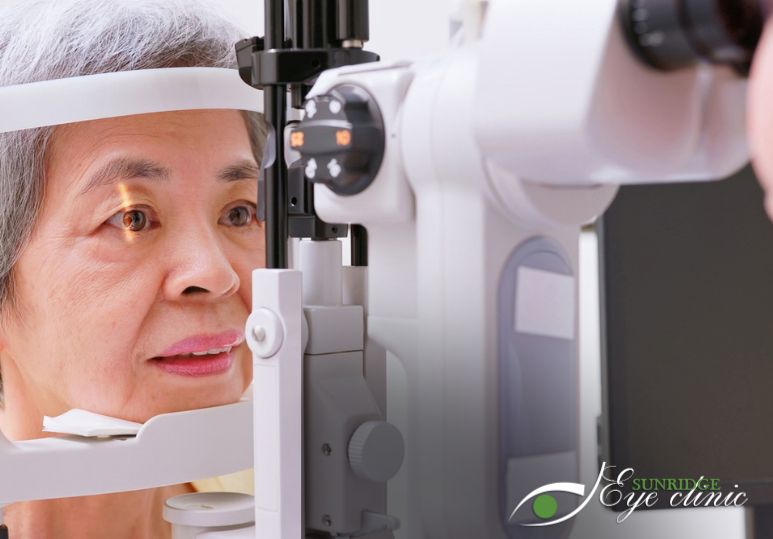
During Senior Eye Exams, visual acuity and prescription needs may be assessed, along with eye coordination and focusing where appropriate. The optometrist may examine the front and back of the eyes and evaluate structures such as the cornea, lens, retina, macula, and optic nerve. Eye pressure or additional imaging may be recommended depending on individual needs.
Preparing for an appointment can be simple:
- Glasses
- Medications
- History
- Symptoms
- Questions
- Sunglasses
Bringing current glasses allows the clinic to compare an existing prescription with new findings. Patients should also mention changes in daily routines. Someone who has recently stopped driving at night because of glare, for example, should share that information rather than assuming it is part of aging.
The appropriate frequency of eye examinations can vary. Age is only one consideration. Existing eye conditions, diabetes, medications, family history, previous findings, and new symptoms may affect how often an optometrist recommends follow-up care. Patients should follow the schedule recommended for their individual eye health rather than waiting until vision becomes noticeably worse.
Eye care can also support independence. Clear, comfortable vision plays a role in reading medication labels, navigating stairs, preparing meals, driving, enjoying hobbies, using digital devices, and recognizing people. Addressing prescription changes or eye health concerns can help older adults continue participating confidently in the activities that matter to them.
It is useful to ask questions during the appointment. Patients can ask whether their prescription has changed, whether any eye conditions are developing, what symptoms should prompt an earlier visit, and when their next examination should occur. Understanding the findings makes it easier to participate actively in ongoing eye care.
Vision changes after 60 are common, but they should not be ignored or automatically accepted as an unavoidable part of aging. Consistent Senior Eye Exams can monitor gradual changes, identify concerns that may not yet cause symptoms, and help patients understand what is happening with their eyesight.
If you are over 60 or have noticed changes in your vision, scheduling a comprehensive eye exam is a practical step toward protecting long-term eye health. Regular care provides an opportunity to address current visual needs while keeping a close watch on changes that could become more significant over time.
FAQ's
Q: HOW OFTEN SHOULD SENIORS HAVE AN EYE EXAM?
A: The right schedule depends on your individual eye health, medical history, medications, existing conditions, and previous exam findings. Your optometrist can recommend an examination schedule based on your specific needs. New or sudden vision changes should be assessed rather than waiting until your next routine appointment.
Q: ARE VISION CHANGES AFTER 60 ALWAYS NORMAL?
A: No. Some changes are associated with the natural aging process, but others can be related to cataracts, glaucoma, macular degeneration, diabetic eye disease, or other concerns. This is why regular Senior Eye Exams are important, even when changes seem minor or vision still feels relatively normal.
Q: WHAT SHOULD I BRING TO A SENIOR EYE EXAM?
A: Bring your current glasses or contact lenses, an up-to-date list of medications, and information about your medical and eye health history. It can also help to make a note of any recent changes involving reading, driving, glare, dryness, floaters, night vision, or other visual concerns before your appointment.