Vision Testing and Evaluation
One of the primary goals of comprehensive eye exams is evaluating how clearly and comfortably patients can see during daily activities. Vision changes often happen gradually, which means many people may not realize their eyesight has declined until symptoms become more noticeable.
Optometrists perform several tests to assess visual clarity, focusing ability, and prescription accuracy. These evaluations help determine whether glasses or contact lens prescriptions need updating while also identifying visual issues that may affect reading, driving, screen use, or overall comfort.
Common areas assessed during prescription evaluations include:
- Distance vision clarity
- Near vision performance
- Astigmatism measurements
- Depth perception
- Eye focusing ability
- Eye coordination and tracking
- Peripheral vision awareness
- Colour vision screening when necessary
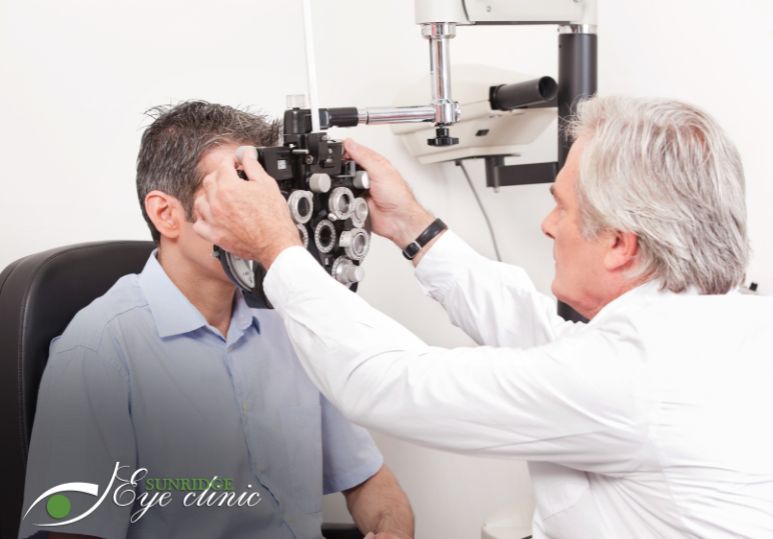
Patients may also undergo refraction testing, which helps determine the exact lens prescription needed to provide clearer vision. During this process, different lens combinations are compared to identify which options improve visual sharpness most effectively.
Many Calgary optometrists additionally assess how efficiently the eyes work together as a team. Even if eyesight appears relatively clear, problems with eye coordination or focusing may still contribute to symptoms such as:
- Headaches
- Eye strain
- Blurry vision
- Double vision
- Reading fatigue
- Difficulty concentrating visually
Children’s eye exams often place additional focus on visual development, tracking ability, and binocular vision because these skills play important roles in learning and classroom performance. Vision problems in children may sometimes appear as reading difficulties, reduced attention spans, or behavioural concerns rather than obvious complaints about eyesight.
For adults, prescription evaluations also consider lifestyle demands. Patients who spend long hours using computers, driving, or performing detailed close-up work may benefit from specialized lens recommendations designed to improve comfort during daily activities.
Comprehensive eye exams are not only about improving visual clarity. These evaluations also help establish baseline measurements that allow optometrists to monitor changes in vision over time and identify early warning signs of potential eye health concerns.
Eye Health Screenings and Disease Detection
In addition to evaluating prescriptions, comprehensive eye exams involve detailed assessments of the overall health of the eyes. Many eye diseases can develop gradually without causing noticeable symptoms during early stages, making routine examinations extremely important for preventative eye care.
Optometrists examine several structures within the eye during comprehensive exams, including:
- The cornea
- The retina
- The optic nerve
- The macula
- Blood vessels within the eyes
- The lens inside the eye
- The tear film and ocular surface
Modern diagnostic technology allows optometrists to detect subtle changes that may indicate early eye disease before vision loss becomes noticeable.
Common eye conditions screened during routine eye exams include:
- Glaucoma
- Cataracts
- Macular degeneration
- Diabetic eye disease
- Retinal abnormalities
- Dry eye disease
- Retinal tears or detachments
Glaucoma screening is an important component of many eye exams because the condition can damage the optic nerve slowly over time without causing pain or early visual symptoms. Optometrists may measure intraocular pressure and examine the optic nerve carefully to monitor for signs of glaucoma development.
Retinal imaging and advanced scanning technology may also be used during comprehensive eye exams. Digital retinal photographs and OCT imaging allow optometrists to view detailed layers of the retina and optic nerve with high precision. These tools help improve early detection and long-term monitoring of several eye conditions.
Patients with diabetes often require regular diabetic eye exams because elevated blood sugar levels can damage retinal blood vessels over time. Early diabetic eye disease may not initially affect vision, but routine monitoring allows optometrists to identify changes before more serious complications develop.
Dry eye disease is another common condition evaluated during comprehensive eye exams. Many patients experience symptoms such as burning, irritation, fluctuating vision, or excessive tearing without realizing dry eye syndrome may be contributing to their discomfort.
Eye exams may additionally reveal signs of broader health concerns affecting the body. In some cases, optometrists may observe indications of:
- High blood pressure
- Diabetes
- Autoimmune conditions
- Neurological disorders
- Vascular abnormalities
Because the eyes contain visible blood vessels and delicate nerve tissue, they can sometimes provide important insight into overall systemic health.
Advanced Technology, Preventive Care, and Vision Monitoring
Modern comprehensive eye exams now involve advanced diagnostic tools that allow optometrists to evaluate eye health with greater detail and accuracy than ever before. These technologies improve both preventative care and long-term monitoring for patients of all ages.
Diagnostic imaging tools commonly used during comprehensive eye exams may include:
- Optical Coherence Tomography (OCT)
- Digital retinal imaging
- Visual field testing
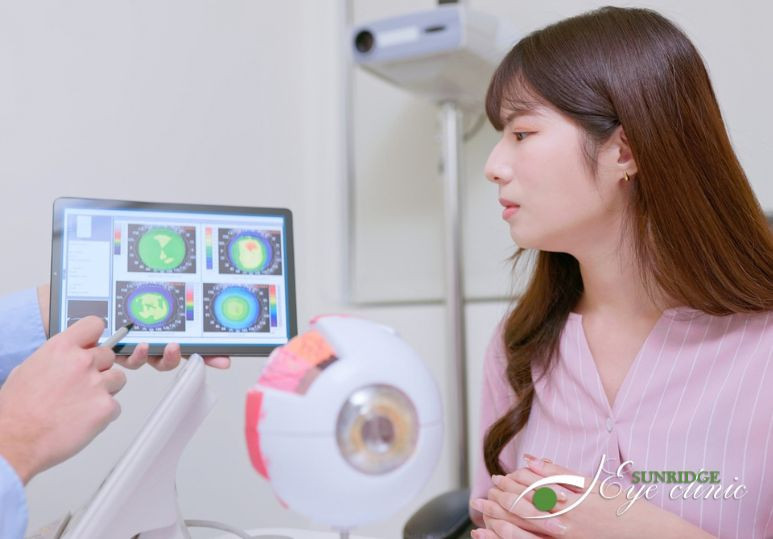
- Corneal mapping
- Tear film evaluations
- Retinal photography
These technologies help optometrists detect microscopic changes that may not yet affect vision but could indicate developing eye disease.
Preventative care remains one of the most important benefits of regular eye exams. Many eye conditions respond best when identified early before significant damage occurs. Routine monitoring allows optometrists to compare current findings with previous exam results to identify subtle changes over time.
Patients who may benefit from more frequent eye exams include:
- Adults over age 40
- Patients with diabetes
- Individuals with high prescriptions
- Patients with family histories of eye disease
- Contact lens wearers
- Patients experiencing new visual symptoms
Lifestyle factors are also becoming increasingly important during modern eye exams. Extended screen use, reduced blinking, and digital eye strain have become common concerns for many patients. Optometrists may discuss strategies to support visual comfort during screen-heavy activities, including:
- Prescription adjustments
- Screen positioning recommendations
- Blue light filtering lenses
- Artificial tears
- Workplace visual ergonomics
- Break schedules for prolonged device use
Children’s vision monitoring is equally important because eyesight can change rapidly during growth and development. Early detection of vision problems may help support academic performance, visual comfort, and healthy long-term development.
Senior patients often require additional monitoring for age-related eye conditions such as cataracts and macular degeneration. Routine eye exams help ensure these changes are identified and managed appropriately as vision needs evolve over time.
Many people only associate eye exams with updating glasses prescriptions, but comprehensive exams provide far broader health benefits. Regular eye exams allow optometrists to monitor vision changes, evaluate eye health, identify disease risk factors, and help patients maintain clearer, healthier vision long term.
FAQs
Q: HOW LONG DOES A COMPREHENSIVE EYE EXAM TAKE?
A: Most comprehensive eye exams typically take between 30 minutes and one hour, depending on the patient’s age, symptoms, medical history, and whether additional diagnostic imaging or testing is required. Patients with complex eye conditions or specific concerns may require more detailed evaluations.
Q: CAN EYE EXAMS DETECT HEALTH PROBLEMS OUTSIDE THE EYES?
A: Yes, comprehensive eye exams can sometimes reveal signs of broader health conditions such as diabetes, high blood pressure, autoimmune diseases, and vascular abnormalities. Because the eyes contain visible blood vessels and nerve tissue, certain systemic health changes may become visible during detailed eye examinations.
Q: HOW OFTEN SHOULD I SCHEDULE EYE EXAMS?
A: Most adults should schedule comprehensive eye exams every one to two years, depending on age, medical history, prescription changes, and risk factors for eye disease. Patients with diabetes, glaucoma risk factors, or ongoing eye health concerns may require more frequent monitoring and follow-up care.