DETECTING EYE CONDITIONS EARLY
Many serious eye conditions develop gradually and may not produce noticeable symptoms until vision has already been affected. Routine eye exams allow optometrists to detect these conditions at an earlier stage, when treatment may be more effective.
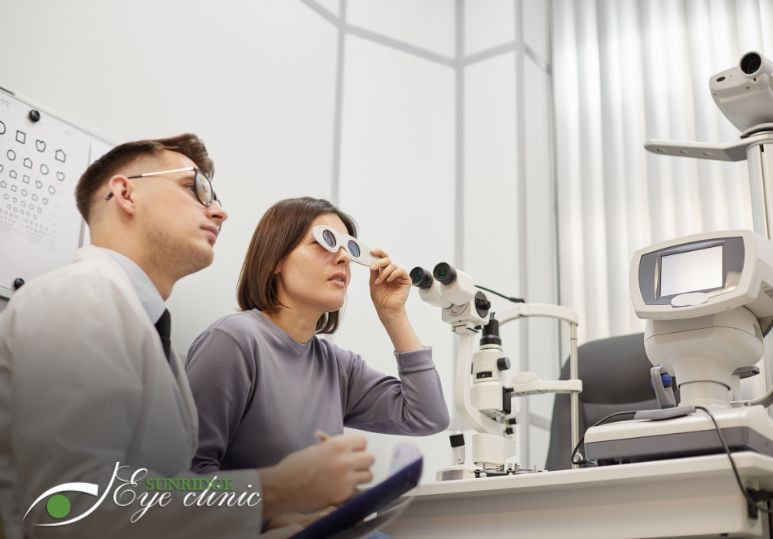
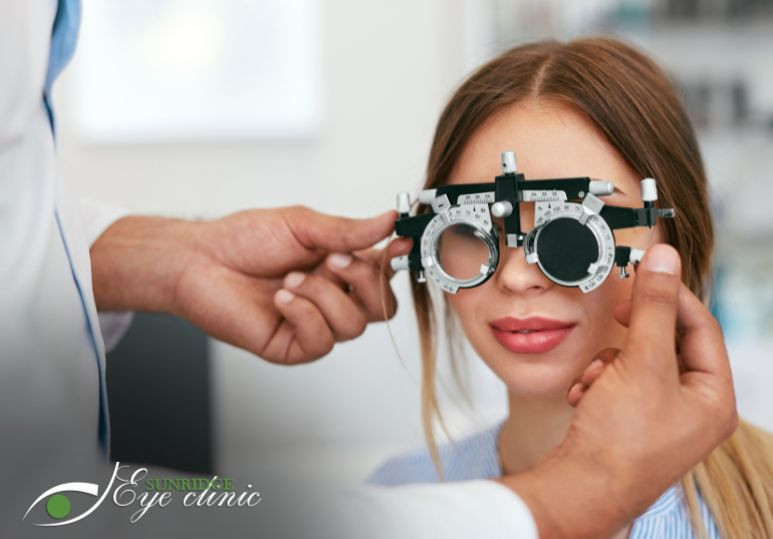
During a comprehensive exam, specialized instruments allow optometrists to examine the internal structures of the eye in detail. The retina, optic nerve, and blood vessels are carefully evaluated to identify subtle changes that may indicate developing conditions. Early signs of glaucoma, macular degeneration, retinal issues, and diabetic eye disease can often be detected through these assessments.
Glaucoma is a common example of a condition that can progress without obvious symptoms. Increased eye pressure can slowly damage the optic nerve while vision remains relatively normal in the early stages. Routine exams allow optometrists to measure eye pressure and detect early warning signs before permanent vision loss occurs.
Macular degeneration is another condition that benefits from early detection. This disease affects the central portion of the retina responsible for detailed vision. Detecting early changes helps optometrists monitor progression and recommend strategies to help preserve visual function.
Eye exams can also reveal signs of broader health concerns. Conditions such as diabetes and high blood pressure can affect the small blood vessels within the eye. Because these structures are visible during an exam, optometrists may detect changes that indicate potential health issues requiring further evaluation.
Early detection significantly improves the ability to manage many eye conditions. Regular eye exams play a critical role in identifying these concerns before noticeable symptoms appear.
MONITORING VISION CHANGES
Vision naturally changes throughout life, and many of these changes occur gradually. Routine eye exams allow optometrists to monitor these shifts and ensure that vision correction remains accurate over time.
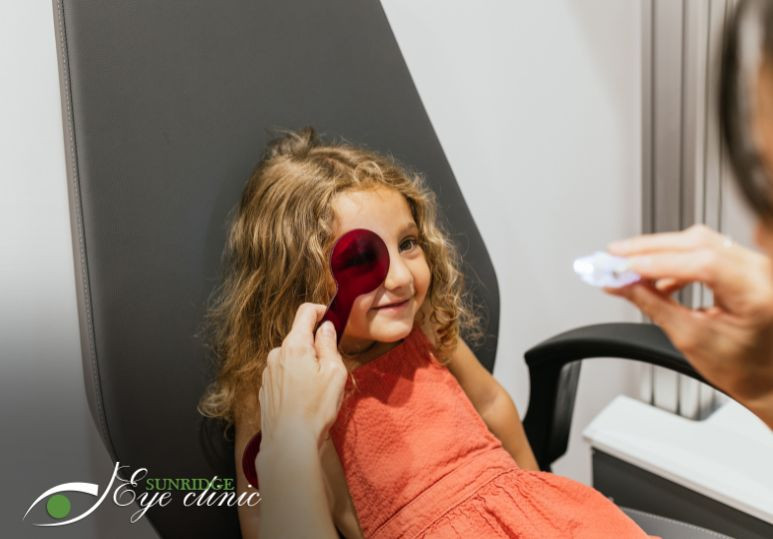
Children often benefit from early eye exams because vision problems may not be obvious during daily activities. Difficulty focusing, eye coordination problems, or mild refractive errors can affect reading and learning without being immediately noticeable. Regular exams help identify these concerns so they can be addressed early.
Adults also experience gradual changes in vision as they age. Many individuals begin to notice difficulty focusing on close objects, particularly when reading or using digital devices. Routine exams help identify these changes and allow optometrists to recommend appropriate corrective lenses.
Digital screen use has also increased significantly in recent years. Many people spend long periods using computers, tablets, and smartphones, which can lead to eye strain and fatigue. Eye exams help identify vision issues that may contribute to discomfort during extended screen use.
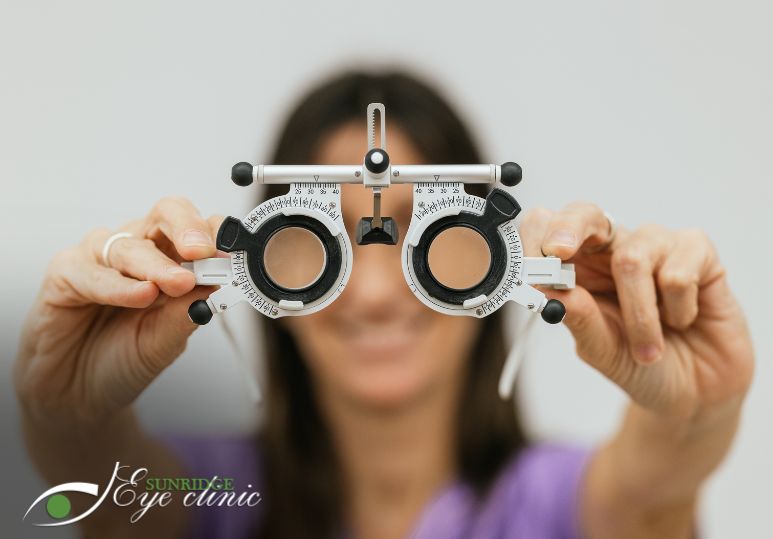
Monitoring vision over time also ensures that glasses or contact lens prescriptions remain accurate. Small prescription changes can impact visual clarity and comfort. Regular eye exams allow optometrists to adjust prescriptions as needed, helping maintain clear and comfortable vision for everyday activities.
SUPPORTING LONG-TERM EYE HEALTH
Long-term eye health depends on consistent monitoring and preventative care. Routine eye exams allow optometrists to evaluate eye structures and detect changes that may affect vision in the future.
During an exam, optometrists assess eye pressure, retinal health, and optic nerve condition. These evaluations help identify potential concerns and allow professionals to monitor changes over time. Tracking eye health through regular exams provides valuable information that helps guide future care.
Certain individuals may face a higher risk of developing eye disease. Family history, diabetes, aging, and prolonged screen use can all influence eye health. Regular eye exams help monitor these risk factors and allow optometrists to recommend preventative strategies when necessary.
Eye exams also provide an opportunity to discuss habits that influence vision and eye comfort. Lighting conditions, screen usage, and visual work environments can all affect eye strain and fatigue. Guidance from an optometrist helps patients develop habits that support healthier vision.
Maintaining a routine schedule for eye exams helps protect vision and detect potential issues early. Consistent monitoring ensures that eye health remains stable while allowing optometrists to address concerns before they become more serious.
FAQs
Q: HOW OFTEN SHOULD I BOOK EYE EXAMS?
A: Most adults benefit from eye exams every one to two years, depending on age, health history, and vision needs. Children and individuals with certain medical conditions may require more frequent exams.
Q: CAN EYE EXAMS DETECT HEALTH CONDITIONS?
A: Yes. Eye exams can sometimes reveal signs of health conditions such as diabetes, high blood pressure, and neurological issues because changes in blood vessels and nerves can appear in the eyes.
Q: DO I NEED AN EYE EXAM IF MY VISION SEEMS NORMAL?
A: Yes. Many eye diseases develop without noticeable symptoms in the early stages. Regular exams help detect issues early and protect long-term vision and eye health.