Children and Teenagers: Recommended Eye Exam Frequency
For children, early and consistent eye exams are critical. Vision plays a central role in learning, reading, and classroom engagement. Even mild vision issues can impact academic performance and behaviour.
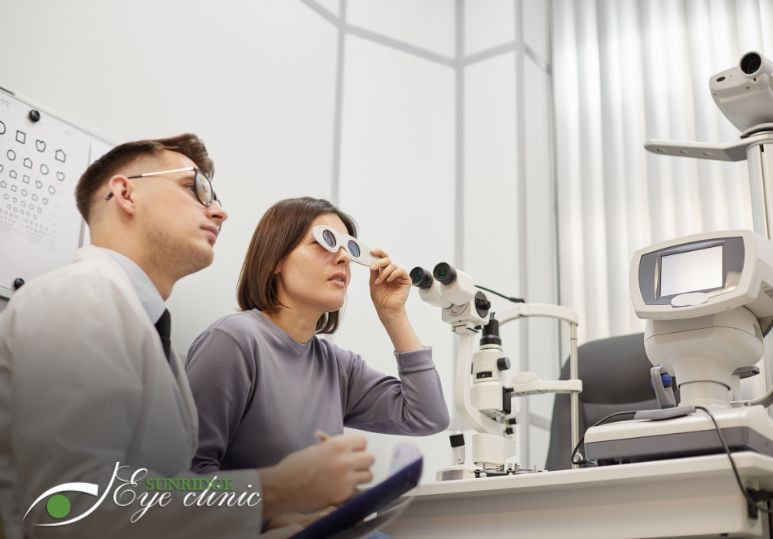
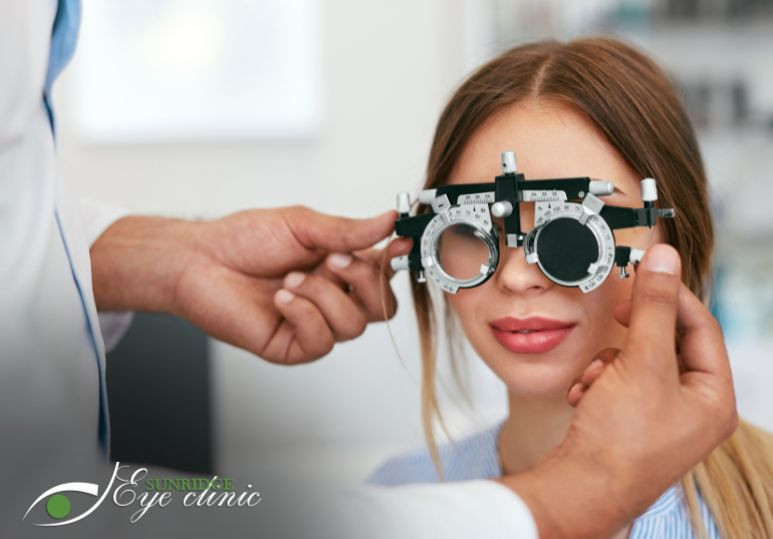
Children should receive their first comprehensive eye exam before starting school, followed by regular exams every one to two years unless otherwise advised. Pediatric eye exams clinics provide assess visual acuity, eye alignment, focusing ability, and overall ocular health.
Unlike school vision screenings, comprehensive exams evaluate how both eyes work together and detect subtle issues that may not be immediately obvious. Early detection of refractive errors, amblyopia, or coordination problems supports long-term visual development and confidence.
Adults: Maintaining Clarity and Monitoring Eye Health
For healthy adults between the ages of 18 and 64, comprehensive eye exams are generally recommended every one to two years. Even if vision seems stable, prescriptions can shift gradually.
Routine eye exams evaluate not only clarity but also eye pressure, optic nerve health, and retinal integrity. Conditions such as glaucoma and diabetic eye disease may develop without noticeable symptoms in early stages.
Adults who spend long hours on digital devices may experience eye strain, dryness, or headaches. Regular evaluations help determine whether updated prescriptions or visual adjustments are needed.
Individuals with diabetes, high blood pressure, autoimmune conditions, or a family history of eye disease may require annual exams. Personalized scheduling ensures appropriate monitoring and early intervention if necessary.
Seniors: Increased Monitoring for Age-Related Changes
Adults over 65 typically benefit from annual eye exams. Age increases the likelihood of cataracts, macular degeneration, and glaucoma. Early detection allows timely treatment and monitoring to preserve independence and safety.
Comprehensive eye exams clinics offer for seniors include detailed retinal imaging, eye pressure testing, and peripheral vision assessments. These screenings detect structural changes that may not yet affect central vision.
Night driving difficulties, glare sensitivity, and reduced contrast perception are common age-related concerns. Regular exams help determine whether these symptoms stem from prescription changes or developing cataracts.
Peripheral vision testing is particularly important for identifying early glaucoma progression. Since this condition often develops gradually and without discomfort, consistent monitoring plays a key role in preventing advanced vision loss.
Special Considerations for All Ages
While age-based guidelines provide a helpful framework, personal health history ultimately determines exam frequency. Individuals with chronic medical conditions or previous eye injuries may need more frequent eye exams.
Contact lens wearers require regular assessments to ensure proper fit and corneal health. Tear film quality and ocular surface stability are monitored to reduce risk of irritation or infection.
Sudden symptoms such as flashes of light, new floaters, partial vision loss, or persistent blur should prompt immediate evaluation regardless of your last scheduled exam.
Comprehensive eye exams patients attend establish a baseline for comparison year after year. Tracking subtle changes allows for earlier intervention and improved long-term outcomes.
Maintaining consistent eye exam appointments supports workplace safety, driving confidence, academic performance, and overall quality of life. Preventive care remains the most effective strategy for preserving sight.
Booking eye exams according to age-based guidelines ensures your eyes receive appropriate monitoring at every life stage. Proactive scheduling helps protect your vision today and safeguards it for the future.
FAQs
Q: HOW OFTEN SHOULD ADULTS BOOK AN EYE EXAM?
A: Most adults should schedule eye exams every one to two years. Those with medical conditions or higher risk factors may require annual visits.
Q: DO SENIORS NEED EYE EXAMS EVERY YEAR?
A: Yes. Adults over 65 typically benefit from yearly exams due to increased risk of glaucoma, macular degeneration, and cataracts.
Q: ARE CHILDREN’S EYE EXAMS DIFFERENT FROM ADULT EXAMS?
A: Yes. Pediatric exams focus on visual development, eye coordination, and early detection of refractive or alignment issues that can affect learning and growth.