Review of Medical and Vision History
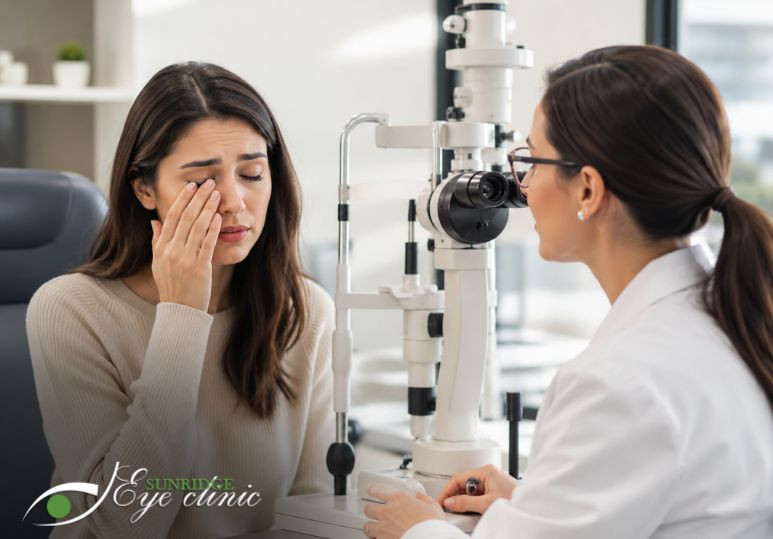
Every comprehensive eye exam begins with a detailed review of your medical and visual history. During eye exams at Sunridge Eye Clinic, your optometrist asks about current symptoms, medications, lifestyle habits, and any recent changes in vision. Conditions such as diabetes, high blood pressure, autoimmune disorders, and family history of eye disease play an important role in assessing risk.
You may also be asked about headaches, eye strain, dryness, glare at night, or difficulty focusing on screens. Even mild or occasional symptoms provide valuable insight. This conversation ensures the comprehensive eye exam patients receive is personalized and targeted to their specific needs.
Understanding your daily visual demands, including computer use, driving, reading, or detailed work, helps determine whether your current prescription and eye function are properly supporting your lifestyle.
Vision Testing and Prescription Evaluation
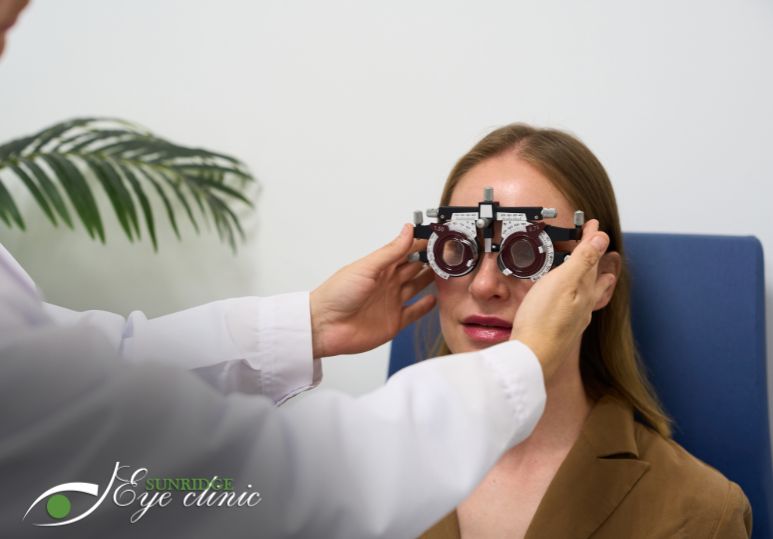
The next step in comprehensive eye exams for residents' schedules focuses on measuring visual clarity and prescription accuracy. You will read letters from a distance chart while different lenses are introduced to determine the most precise correction.
Beyond visual acuity, your optometrist evaluates how your eyes work together. Binocular vision testing, focusing ability, and depth perception assessments ensure both eyes are functioning as a coordinated system. Even small imbalances can contribute to fatigue, blurred vision, or headaches.
For patients who wear contact lenses, additional measurements are taken to ensure proper fit and corneal health. Tear film quality may also be assessed if dryness or irritation is present. These steps are part of providing thorough eye exams that prioritize both clarity and comfort.
Prescription updates are explained clearly, and recommendations for glasses or contact lenses are tailored to your daily needs. Whether you require progressive lenses, computer-specific lenses, or specialty contacts, the goal is optimized visual performance.
Internal Eye Health Evaluation and Advanced Screening
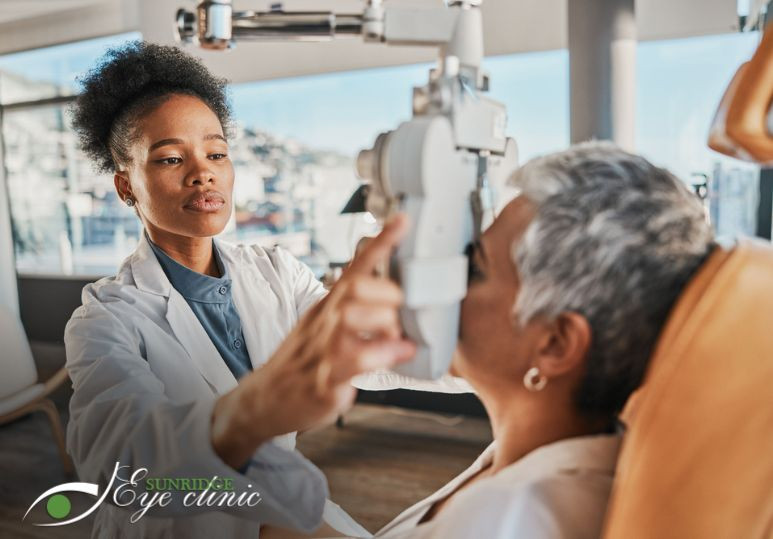
A critical component of a comprehensive eye exam that clinics provide is evaluating the internal structures of the eye. Eye pressure testing helps screen for glaucoma, while detailed examination of the optic nerve and retina identifies early signs of disease.
Retinal imaging technology allows high-resolution views of the back of the eye. This advanced screening detects subtle changes related to macular degeneration, diabetic retinopathy, cataracts, and vascular conditions. Many of these issues develop without pain or noticeable symptoms in early stages.
Peripheral vision testing may be performed to detect early visual field loss, which is often associated with glaucoma. Your optometrist may also assess pupil responses and eye movement to ensure proper neurological function.
By incorporating advanced diagnostics into eye exams, Sunridge Eye Clinic provides preventative monitoring and early intervention. Comparing imaging results year after year helps identify even minor structural changes before they impact vision.
After all testing is complete, your optometrist reviews the findings with you. If your eyes are healthy, you gain reassurance and a recommended timeline for your next visit. If early changes are detected, a monitoring or treatment plan is discussed promptly.
Comprehensive eye exams are typically efficient and comfortable. Most appointments take between 30 and 60 minutes, depending on the tests required. Despite the thorough evaluation, the process is non-invasive and designed to be patient-friendly.
Scheduling regular eye exams ensures your vision remains clear and your eye health is closely monitored. Preventive care reduces the risk of undetected disease progression and supports long-term visual stability.
At Sunridge Eye Clinic, comprehensive eye exams are designed to provide clarity, confidence, and a complete eye health evaluation under one roof. Protecting your sight begins with consistent, informed care.
FAQs
Q: HOW LONG DOES A COMPREHENSIVE EYE EXAM TAKE?
A: Most eye exams take approximately 30 to 60 minutes, depending on whether additional imaging or specialized testing is required.
Q: DO I NEED AN EYE EXAM IF MY VISION SEEMS FINE?
A: Yes. Many eye diseases develop without noticeable symptoms. Regular exams allow early detection and preventative monitoring before vision is affected.
Q: WHAT CONDITIONS CAN A COMPREHENSIVE EYE EXAM DETECT?
A: Comprehensive exams can identify glaucoma, macular degeneration, diabetic eye disease, cataracts, retinal conditions, and signs of systemic health issues such as high blood pressure or diabetes.