Why Dry Eye Symptoms Worsen in Winter
Winter brings more than just cold weather — it brings challenges for your eyes. In Calgary, humidity levels drop dramatically during the colder months. The dry air outside, combined with indoor heating systems, reduces the natural moisture that keeps your eyes comfortable.
These environmental conditions make it harder for your tear film to stay stable. Tears evaporate faster, leading to dryness, irritation, and even watery eyes as your body tries to compensate. For people who already struggle with dry eye disease, winter can turn mild symptoms into constant discomfort.
At Sunridge Eye Clinic, we see this pattern every winter. Our goal is to not only relieve symptoms but also address the underlying causes so your eyes stay healthy year-round.
Common Winter Dry Eye Symptoms
Dry eye symptoms can vary from person to person, but during winter, patients commonly report:
- Burning or stinging sensations
- Redness or inflammation
- Light sensitivity
- Blurry vision, especially when reading or driving
- Excessive tearing (a sign of irritation)
- Feeling like something is in the eye
If these symptoms persist, it’s a sign that your tear film isn’t functioning properly — and professional care is the best way to find lasting relief.
Why Self-Treatment Isn’t Always Enough
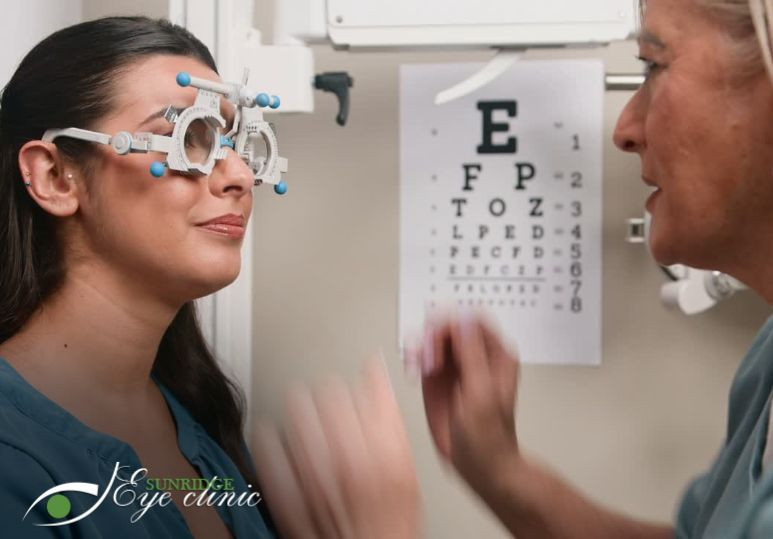
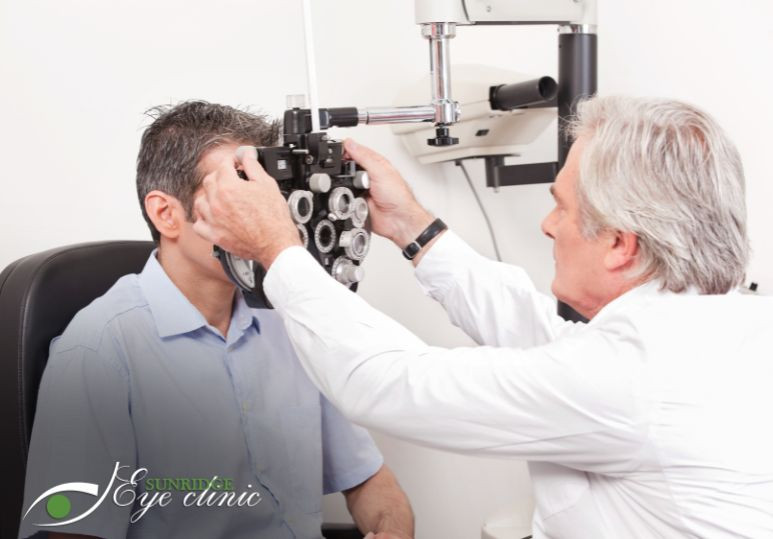
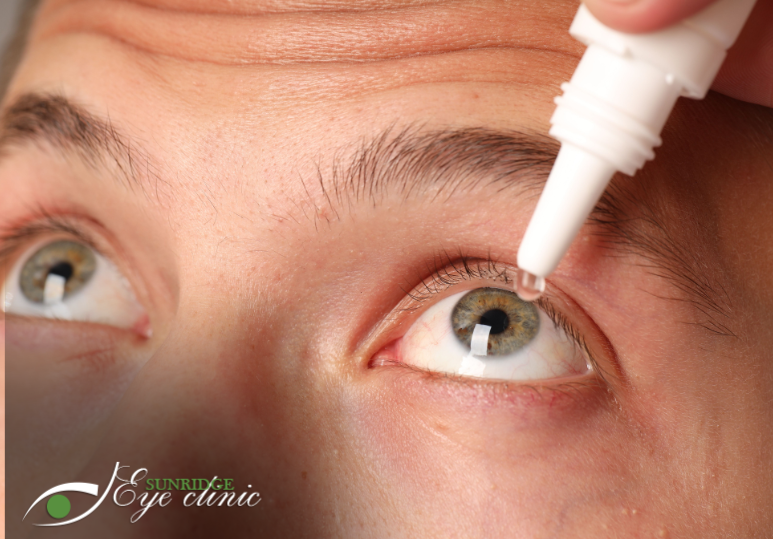
Over-the-counter eye drops can help temporarily, but they don’t always solve the root problem. Some drops contain preservatives that may actually worsen dryness if used too frequently. A comprehensive dry eye assessment at Sunridge Eye Clinic allows our optometrists to identify whether your dryness is caused by insufficient tear production, poor tear quality, or an underlying issue like meibomian gland dysfunction (MGD).
With this information, we can build a personalized treatment plan to restore tear balance and reduce inflammation — something that home remedies or generic drops can’t achieve on their own.
Effective Treatments for Winter Dry Eyes
Our Calgary dry eye specialists offer a range of treatment options to relieve irritation and improve long-term comfort, including:
- Artificial tears and lubricating drops: Ideal for quick hydration and symptom relief.
- Prescription eye drops: Help increase tear production and reduce inflammation.
- Warm compress therapy: Unclogs oil glands to improve tear film stability.
- Omega-3 supplements: Support healthy tear production.
- Lifestyle guidance: Adjusting screen habits, humidity levels, and diet to protect eye moisture.
For more advanced cases, in-office procedures may be recommended to improve tear flow and gland function.
Preventing Dry Eye During Calgary’s Winter
Small adjustments can help minimize irritation throughout the season:
- Use a humidifier to add moisture to indoor air.
- Avoid sitting directly in front of heating vents.
- Blink regularly when using screens.
- Wear wraparound glasses outdoors to shield against wind.
- Stay hydrated — dehydration can worsen symptoms.
These preventative habits, combined with professional care, can make a significant difference in how your eyes feel all winter long.
Book Your Dry Eye Exam in Calgary
Don’t let dry, irritated eyes ruin your winter comfort. At Sunridge Eye Clinic in Calgary, our optometrists specialize in diagnosing and treating dry eye with advanced testing and customized care. Contact Sunridge Eye Clinic to book your dry eye exam today to find the right treatment for your symptoms and enjoy clearer, more comfortable vision this season.
FAQs:
Q: Why do my eyes feel worse in winter?
A: Calgary’s low humidity, cold winds, and indoor heating all reduce natural eye moisture, causing increased evaporation of the tear film and worsening dry eye symptoms. Contact Sunridge Eye Clinic today and we will help you manage your dry eye symptoms.
Q: What are common symptoms of winter dry eye?
A: Symptoms include burning, redness, gritty sensations, watery eyes, blurry vision, and sensitivity to light.
Q: Can dry eye get worse if untreated?
A: Yes. Without proper care, dry eye can lead to chronic inflammation, infections, and damage to the surface of the cornea.