Why Children’s Eye Exams Are Essential
Clear vision plays a critical role in how children learn, read, and interact with their environment. Approximately 80 percent of classroom learning is visual. Even minor vision issues can affect reading comprehension, attention span, and confidence.
Comprehensive eye exams for children evaluate far more than distance vision. Pediatric assessments measure visual acuity, eye alignment, focusing ability, depth perception, and overall ocular health. Unlike school vision screenings, which typically test only basic clarity, a full pediatric eye exam clinics provide examines how both eyes function together.
Children often do not realize they are seeing poorly because they assume their vision is normal. Regular exams help identify concerns early, before they begin to impact academic performance or behaviour.
When Should Kids Have Eye Exams?
Children should have their first comprehensive eye exam before starting school, ideally between the ages of three and five. After that, exams are generally recommended every one to two years unless otherwise advised.
Regular eye exams allow optometrists to monitor visual development and detect early signs of nearsightedness, farsightedness, astigmatism, or amblyopia, commonly known as lazy eye. Early intervention significantly improves treatment outcomes.
Myopia, or nearsightedness, is becoming increasingly common among children. Early detection allows parents to explore management strategies that may help slow progression.
If your child squints, sits too close to screens, avoids reading, complains of headaches, or struggles with attention, a pediatric eye exam professionals provide can help determine whether vision is contributing to these challenges.
What Happens During a Pediatric Eye Exam?
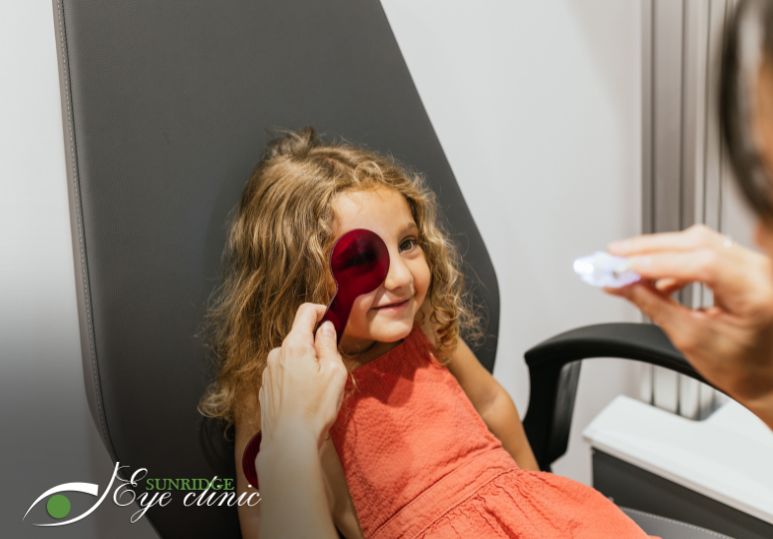
Eye exams for children are designed to be comfortable and age-appropriate. The optometrist uses visual charts, light tests, and interactive tools to assess clarity and eye coordination.
Binocular vision testing evaluates how well the eyes work together. Depth perception tests assess spatial awareness. Eye movement assessments check tracking ability, which is important for reading fluency.
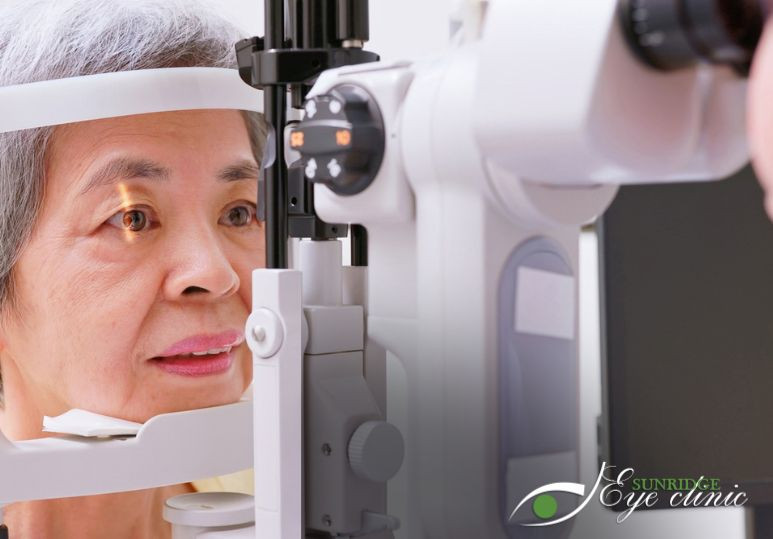
Internal eye health is also evaluated. The optometrist examines the retina, optic nerve, and internal structures to rule out underlying medical concerns. Eye pressure testing may be performed when appropriate.
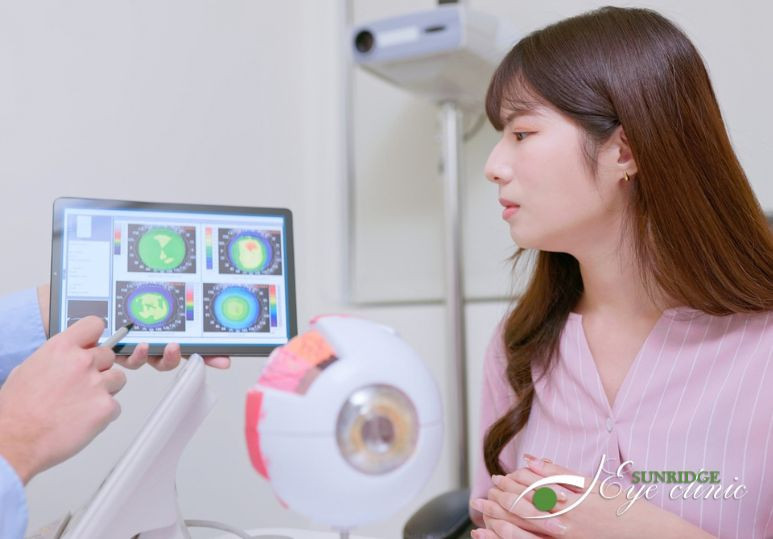
Retinal imaging technology allows detailed visualization without discomfort. These advanced tools support early detection and establish a baseline for comparison over time.
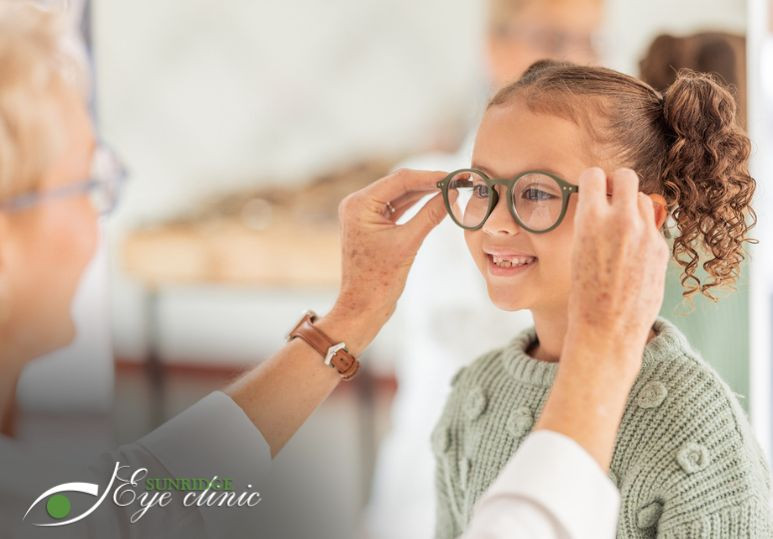
If glasses are needed, prescription recommendations are explained clearly. Proper correction improves comfort, learning, and participation in sports and daily activities.
Supporting Long-Term Eye Health
Consistent eye exams help ensure your child’s vision develops properly throughout the school years. Establishing regular appointments builds familiarity and comfort with eye care.
Preventive monitoring allows subtle changes to be detected early, reducing the risk of untreated vision problems affecting development. Family eye exams also create continuity, making it easier to track changes year after year.
Parents play an important role by observing signs of strain, fatigue, or behavioural changes that may indicate vision concerns. Combining parental awareness with professional evaluation ensures the best outcomes.
Clear vision supports academic performance, athletic coordination, and social confidence. By prioritizing comprehensive pediatric eye exams, parents help set the foundation for lifelong eye health.
FAQs
Q: HOW OFTEN SHOULD KIDS HAVE EYE EXAMS?
A: Most children should have an eye exam every one to two years, starting before school age, unless an optometrist recommends more frequent visits.
Q: ARE SCHOOL VISION SCREENINGS ENOUGH?
A: No. School screenings typically check only basic distance vision. Comprehensive eye exams evaluate eye coordination, focusing ability, and internal eye health.
Q: WHAT ARE SIGNS MY CHILD MAY NEED AN EYE EXAM?
A: Common signs include squinting, frequent headaches, sitting too close to screens, difficulty reading, eye rubbing, or avoiding visual tasks.