Why Vision Changes Often Go Unnoticed
The human visual system adapts remarkably well. When clarity shifts gradually, the brain compensates. Adults may increase screen brightness, sit closer to devices, or avoid night driving without realizing their vision has changed.
Eye exams help identify these subtle adjustments before they become disruptive. Prescription changes often occur slowly, making them difficult to recognize without formal testing.
Additionally, many eye diseases develop quietly. Glaucoma, for example, typically progresses without pain. Peripheral vision loss can occur gradually, making early detection through routine eye exams in clinics essential.
Small Symptoms That Should Not Be Ignored
Minor discomfort can be an early sign of change. Adults frequently dismiss eye strain, dryness, or occasional blur as fatigue. However, these symptoms may signal uncorrected prescriptions or developing eye conditions.
Eye exams evaluate not only clarity but also how the eyes work together. Binocular vision testing identifies coordination issues that contribute to headaches and fatigue.
Increased glare at night, difficulty adjusting between light conditions, or halos around lights may indicate early cataract development. Comprehensive eye exam appointments assess lens clarity and retinal health to determine the cause.
Sudden floaters, flashes of light, or partial vision loss require immediate evaluation. While not always serious, these symptoms can be associated with retinal changes that should be assessed promptly.
What Happens During an Adult Eye Exam
Eye exams begin with a review of medical history and lifestyle habits. Conditions such as diabetes and high blood pressure can influence eye health.
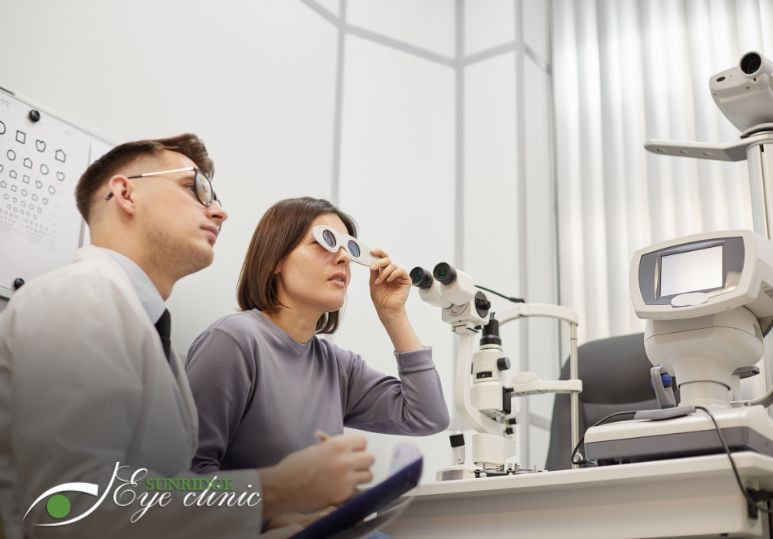
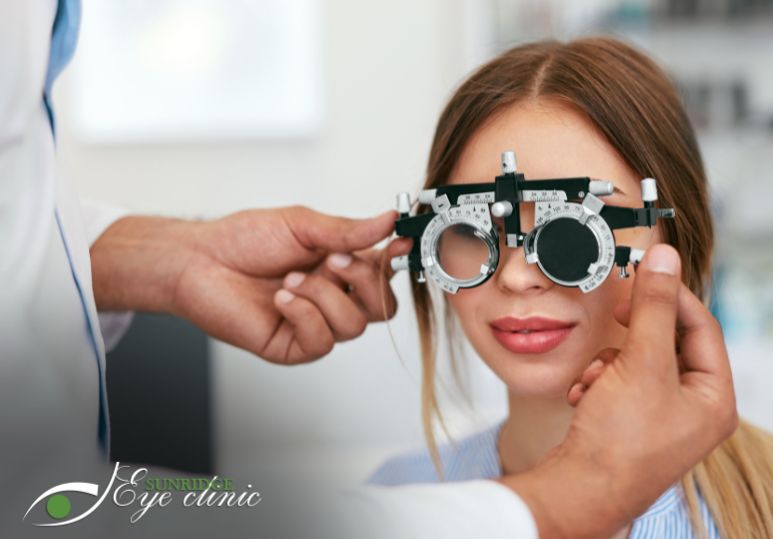
Vision testing measures prescription accuracy at various distances. Eye pressure testing screens for glaucoma. Peripheral vision assessments evaluate field loss. Retinal imaging provides detailed views of the back of the eye, helping detect early structural changes.
Optic nerve evaluation is particularly important for identifying subtle signs of glaucoma progression. Comparing imaging year after year allows optometrists to track even minor differences.
Adults who wear contact lenses receive additional measurements to ensure corneal health and proper fit. Tear film assessments may be conducted if dryness or irritation is present.
These evaluations make eye exams comprehensive rather than reactive. Instead of waiting for a noticeable decline, preventative monitoring supports early intervention.
Protecting Long-Term Vision Through Consistency
Skipping exams because vision seems “good enough” increases the risk of undetected progression. Adult eye exams clinics offer provide reassurance and early diagnosis when necessary.
Establishing a consistent schedule builds a reliable baseline for comparison. This makes identifying gradual changes far more accurate.
Clear vision supports workplace performance, safe driving, and overall quality of life. Even small improvements in prescription accuracy can significantly reduce strain and improve comfort.
By prioritizing regular eye exams, adults take a proactive approach to preserving sight. Early detection remains the most effective strategy for preventing long-term vision complications.
FAQs
Q: HOW OFTEN SHOULD ADULTS HAVE AN EYE EXAM?
A: Most adults benefit from eye exams every one to two years, depending on age and health history.
Q: CAN EYE DISEASE DEVELOP WITHOUT SYMPTOMS?
A: Yes. Conditions like glaucoma and diabetic eye disease often progress silently, which is why routine exams are important.
Q: WHAT SIGNS SHOULD PROMPT AN IMMEDIATE EYE EXAM?
A: Sudden flashes, floaters, partial vision loss, severe headaches, or rapid changes in clarity should be evaluated promptly by an optometrist.