WHAT HAPPENS AT THE START OF YOUR EYE EXAM?
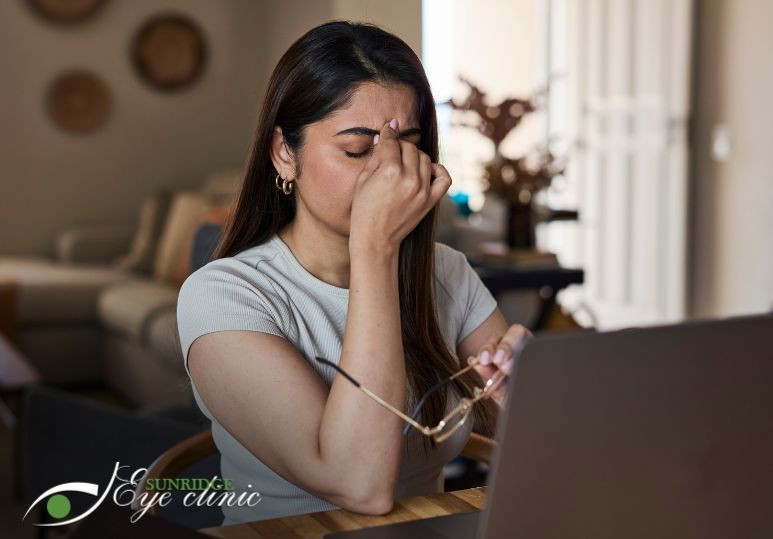
A comprehensive eye exam begins with a conversation about your vision, eye health, medical history, and daily routine. The optometrist may ask whether you have noticed blurred vision, headaches, eye strain, dryness, glare, flashes, floaters, double vision, or difficulty seeing at night. These details help identify concerns that may not appear during a simple vision screening.
Your personal and family health history also matters. Conditions such as diabetes, high blood pressure, autoimmune disease, and thyroid disorders can affect the eyes. A family history of glaucoma, macular degeneration, retinal disease, or other eye conditions may mean your eyes should be monitored more closely. The optometrist may also ask about medications, previous eye injuries, surgeries, contact lens use, and the date of your last exam.
The first part of the appointment may include several basic checks:
- Visual acuity
- Current prescription
- Pupil response
- Eye movement
- Colour vision
- Depth perception
- Peripheral vision
Visual acuity testing measures how clearly you can see at different distances. You may be asked to read letters from an eye chart with one eye covered and then the other. This test helps determine whether your vision is clear, but it does not provide a complete picture of eye health.
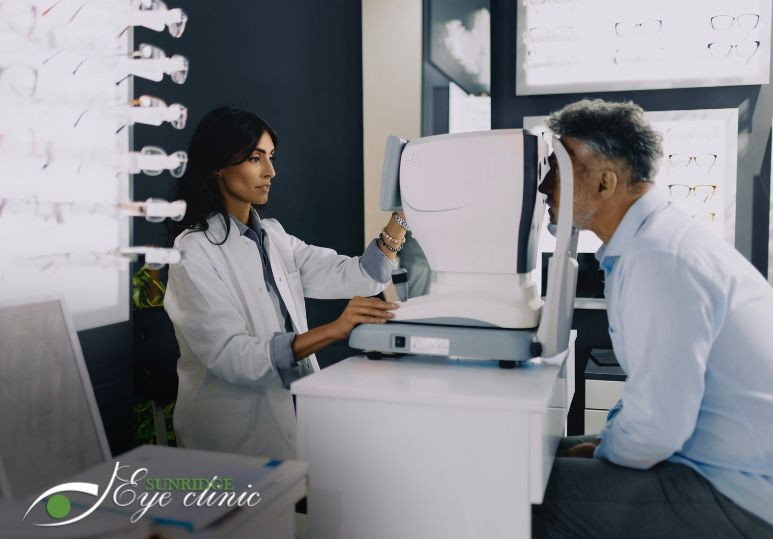
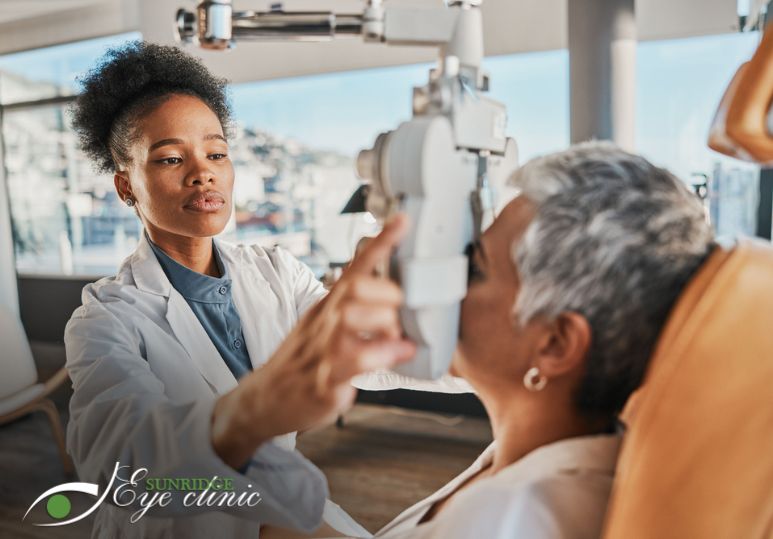
The optometrist may then perform a refraction to determine whether you need glasses or contact lenses and whether your prescription has changed. You will look through a phoropter while different lens options are shown. Questions such as “Which is clearer, one or two?” help refine the prescription for each eye.
Your eyes must also work together comfortably. Eye alignment, focusing ability, and tracking may be assessed to determine how well your eyes coordinate.
HOW DOES THE OPTOMETRIST CHECK EYE HEALTH?
A comprehensive eye exam evaluates much more than eyesight. The optometrist examines the external and internal structures of the eyes to look for signs of disease, injury, inflammation, and other changes. Some tests involve bright lights or close-up equipment, but they are generally quick and non-invasive.
A slit lamp is commonly used to view the front structures of the eye under magnification. This allows the optometrist to assess the eyelids, lashes, tear film, cornea, conjunctiva, iris, and lens. The examination may reveal signs of dry eye, allergies, infection, corneal damage, cataracts, or inflammation.
Eye pressure may be measured because elevated pressure can increase the risk of glaucoma. Depending on the clinic and equipment, the test may use a gentle puff of air or a small instrument that briefly touches the surface of the eye after numbing drops are applied. Eye pressure is only one part of a glaucoma assessment, so normal pressure does not always rule out the condition.
The optic nerve, retina, macula, and blood vessels at the back of the eye also need to be examined. The optometrist may use a handheld light, a specialized lens, retinal photography, or optical coherence tomography. These tools can help identify changes associated with glaucoma, diabetic retinopathy, macular degeneration, retinal tears, and other conditions.
Your appointment may include:
- Eye pressure testing
- Slit lamp examination
- Retinal imaging
- Optic nerve assessment
- Macular evaluation
- Tear film analysis
- Visual field testing
Retinal photography captures detailed images of the back of the eye. These images create a record that can be compared during future visits, making it easier to monitor subtle changes over time. Optical coherence tomography, often called OCT, produces cross-sectional images of the retina and optic nerve. It can reveal changes beneath the surface that may not be visible during a standard examination.
Dilation may be recommended in some cases. Dilating drops temporarily enlarge the pupils, allowing a wider view of the retina. Vision may remain blurry at close range, and the eyes may be sensitive to light for several hours. Bringing sunglasses and arranging transportation may be helpful when dilation is expected.
Additional testing may be recommended based on your symptoms, age, family history, medical conditions, or initial findings. A visual field test checks peripheral vision and may be used when glaucoma or neurological concerns are suspected. Dry eye testing may evaluate tear quantity, tear quality, eyelid function, and oil glands.
WHAT HAPPENS AFTER THE TESTING IS COMPLETE?
After the testing is finished, the optometrist reviews the results and explains what they mean. You may learn that your eyes are healthy and your prescription is stable, or the exam may identify a change that requires new lenses, monitoring, treatment, or referral to another healthcare professional.
When a prescription has changed, the optometrist may discuss whether glasses, contact lenses, or both would suit your needs. The recommendation may consider your work, hobbies, screen use, driving habits, comfort, and budget. Lens options may include single vision, progressive, occupational, anti-reflective, photochromic, or protective lenses.
If you wear contact lenses, the appointment may include an assessment of how the lenses fit and how your eyes respond to them. A contact lens prescription includes more than lens power. The optometrist must consider the shape of the eye, lens material, diameter, curvature, oxygen transmission, replacement schedule, and wearing habits. Poorly fitting or over-worn lenses can cause discomfort and increase the risk of complications.
The optometrist may recommend:
- Updated glasses
- Contact lens fitting
- Dry eye treatment
- Follow-up testing
- Prescription monitoring
- Medical referral
- Preventive care
Treatment recommendations depend on the findings. Dry eye concerns may be managed with lubricating drops, warm compresses, eyelid care, environmental changes, or in-office treatment. Eye allergies may require targeted drops and strategies for reducing exposure to triggers. More serious findings may need additional testing or referral to an ophthalmologist or family doctor.
You should also have an opportunity to ask questions. It is helpful to understand whether your prescription changed, whether any eye health concerns were found, how often you should return, and which symptoms require urgent attention. Ask for clarification whenever a test result or recommendation is unclear.
The recommended schedule for future exams depends on your age, eye health, prescription, symptoms, medical history, and risk factors. Some people need annual appointments, while others may require more frequent monitoring. Children, contact lens wearers, older adults, and people with diabetes or known eye conditions may be advised to attend regularly.
Between appointments, seek prompt care for sudden vision loss, new flashes or floaters, eye pain, significant redness, light sensitivity, double vision, or an eye injury. These symptoms should not wait until a routine visit. Early assessment may help protect vision and determine whether urgent treatment is needed.
Your optometrist may also explain how everyday habits affect your eyes. Screen time, lighting, outdoor exposure, hydration, sleep, and protective eyewear can all influence comfort and visual performance. Practical advice may include taking regular screen breaks, wearing sunglasses with UV protection, following contact lens care instructions, and using safety glasses during work, sports, or home projects. These simple recommendations can help protect your eyes between appointments.
A comprehensive eye exam provides a detailed picture of how well you see and how healthy your eyes are. By reviewing your history, measuring vision, checking eye coordination, examining internal structures, and discussing the results, the optometrist can provide recommendations tailored to your needs. Knowing what to expect can make the appointment feel more comfortable and help you take an active role in protecting your vision.
FAQ's:
Q: WHAT SHOULD I BRING TO A COMPREHENSIVE EYE EXAM?
A: Bring your current glasses, contact lenses, medication list, health information, and details about any vision changes. It may also help to bring your insurance information and sunglasses in case dilation is required.
Q: WILL MY EYES BE DILATED DURING THE APPOINTMENT?
A: Not every appointment requires dilation. The optometrist may recommend it based on your age, symptoms, risk factors, or findings. Dilating drops can temporarily cause light sensitivity and blurred near vision.
Q: HOW LONG DOES A COMPREHENSIVE EYE EXAM TAKE?
A: Most appointments take approximately thirty to sixty minutes, depending on the tests required. Additional imaging, contact lens assessments, dilation, or follow-up testing may make the visit longer.
.jpg "How to Choose the Right Optometrist for Your Family")