WHAT TO LOOK FOR IN A FAMILY OPTOMETRIST
Choosing the right family optometrist is one of the most important decisions you can make for your family's long-term eye health. A trusted optometrist provides comprehensive care for children, adults, and seniors, helping every member of your household maintain healthy vision through every stage of life. Beyond updating prescriptions, routine eye care focuses on preventing vision problems, detecting eye diseases early, and providing personalized treatment based on each patient's unique needs.
When searching for an optometrist, it's important to consider more than convenience or location. Experience, professional qualifications, available services, technology, and patient care all contribute to a positive experience and better long-term outcomes. Finding a provider who can care for your entire family also makes scheduling appointments easier and creates continuity of care as your family's vision needs change over time.
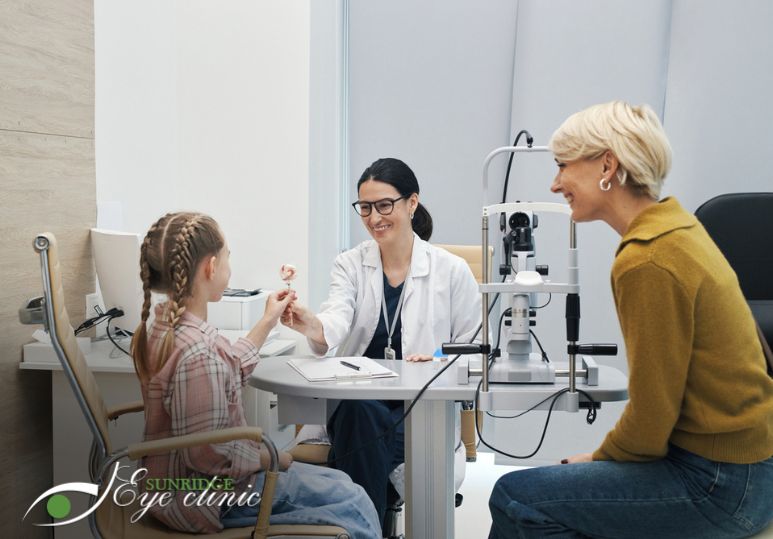
A welcoming environment is particularly important for children who may be attending their first eye examination. A positive experience can help reduce anxiety and encourage lifelong habits of regular eye care. Adults and seniors also benefit from a clinic that provides thorough examinations, clear communication, and personalized recommendations.
When choosing a family optometrist, consider:
- Comprehensive eye exams for all ages
- Experience treating children, adults, and seniors
- Modern diagnostic equipment
- Friendly and knowledgeable staff
- Flexible appointment scheduling
- Emergency eye care availability
- Convenient clinic location
- Positive patient reviews
Communication also plays a significant role in choosing the right provider. Your optometrist should take the time to explain examination results, answer questions, and discuss treatment options in a way that is easy to understand. Feeling comfortable asking questions helps you make informed decisions about your family's vision care.
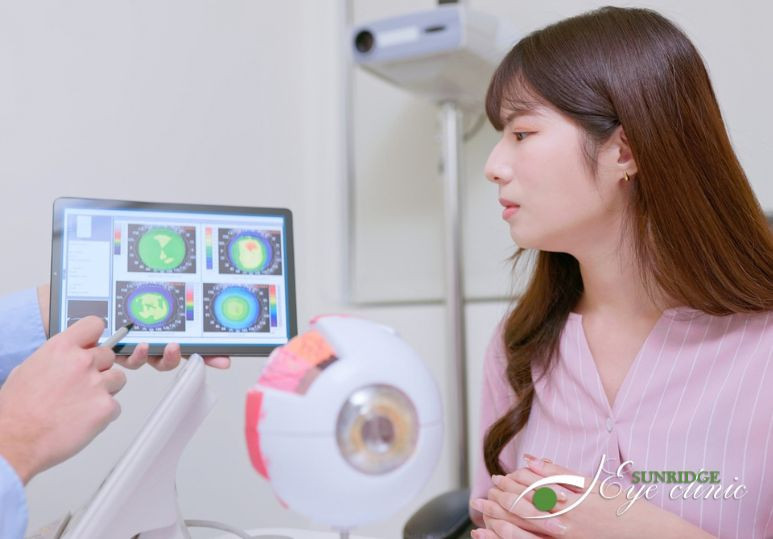
Technology is another factor worth evaluating. Many modern clinics use advanced imaging systems and diagnostic equipment that allow eye diseases to be detected earlier and monitored more accurately over time. These technologies often improve both the accuracy and efficiency of comprehensive eye examinations.
A family optometrist should also maintain detailed records of your family's eye health history. Tracking changes over time helps identify subtle vision changes and supports earlier diagnosis if concerns develop later.
Choosing a provider who offers preventive care rather than simply treating problems as they occur allows your family to stay proactive about maintaining healthy eyesight. Regular monitoring provides peace of mind while helping reduce the risk of undetected vision problems.
Ultimately, selecting the right family optometrist creates a long-term partnership focused on protecting your family's vision and supporting healthy eyesight for years to come.
FAMILY EYE CARE
A qualified family optometrist should offer a wide range of services that meet the needs of patients at every age. Having access to comprehensive eye care in one location provides convenience while ensuring every member of your family receives consistent, high-quality treatment.
Routine comprehensive eye exams remain the foundation of preventive eye care. These appointments evaluate visual acuity, prescription changes, eye coordination, and the overall health of the eyes. Regular examinations help detect conditions before symptoms become noticeable.
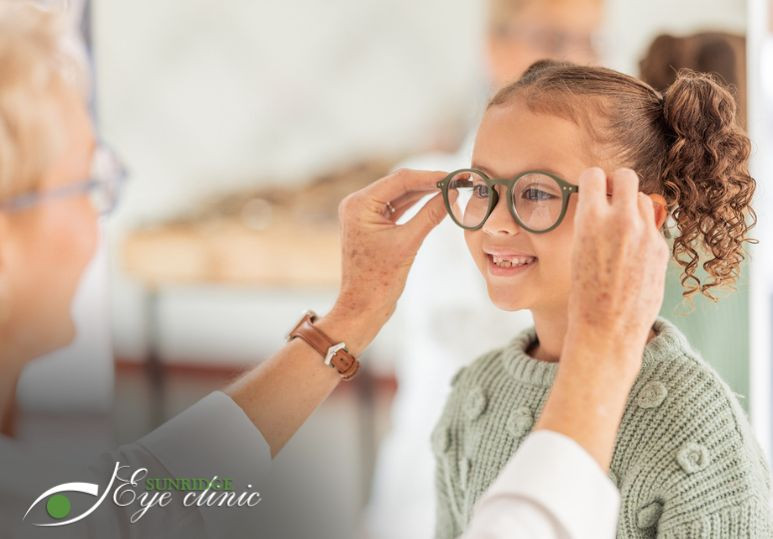
Children often require specialized evaluations to monitor visual development, eye coordination, and focusing ability. Early diagnosis of vision problems can improve academic performance and support healthy learning throughout childhood.
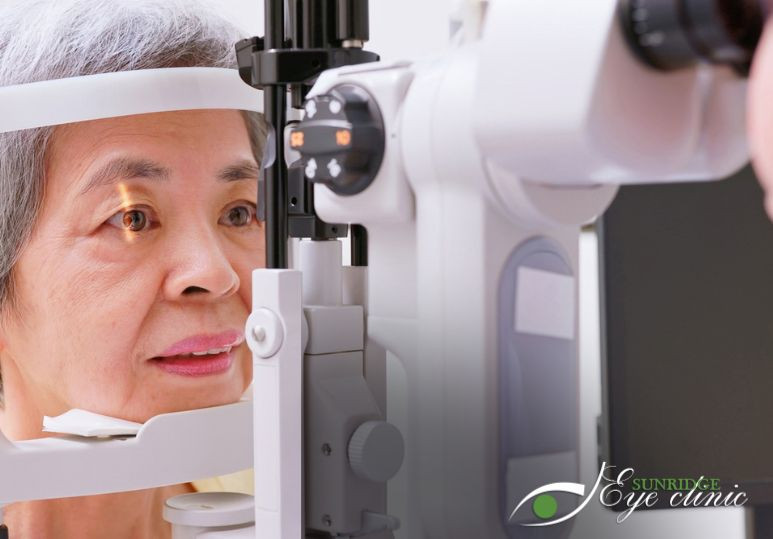
Adults benefit from routine monitoring that helps identify digital eye strain, prescription changes, glaucoma, cataracts, diabetic eye disease, and other common eye conditions. Seniors often require additional screening because age-related eye diseases become more common later in life.
A family optometrist should provide:
- Comprehensive eye exams
- Children's eye exams
- Adult eye exams
- Senior eye exams
- Contact lens fittings
- Prescription updates
- Eye disease screening
- Emergency eye care
Many clinics also offer advanced diagnostic testing that provides detailed images of the retina and optic nerve. These technologies allow optometrists to monitor changes over time and detect eye diseases during their earliest stages.
If glasses or contact lenses are needed, your optometrist should provide recommendations based on your lifestyle, work environment, hobbies, and visual demands. Personalized solutions improve comfort while helping patients achieve the best possible vision.
Education is another valuable service. A good optometrist explains examination findings, discusses treatment recommendations, and provides practical advice for maintaining healthy eyesight between appointments. This may include information about digital eye strain, nutrition, UV protection, dry eye management, and proper contact lens care.
Some eye conditions require referrals to ophthalmologists or other healthcare providers. An experienced family optometrist recognizes when additional care is necessary and coordinates referrals to ensure patients receive appropriate treatment without unnecessary delays.
Comprehensive services allow your family to receive ongoing eye care from a provider who understands your medical history, monitors long-term changes, and develops personalized treatment plans that evolve with your family's needs.
Choosing a clinic that offers complete eye care services ensures convenience while supporting healthy vision throughout every stage of life.
WHY BUILDING A LONG-TERM RELATIONSHIP MATTERS
One of the greatest benefits of choosing the right family optometrist is developing a long-term relationship with a healthcare professional who understands your family's changing vision needs. Rather than visiting different providers over the years, consistent care allows your optometrist to monitor subtle changes and provide more personalized recommendations.
Regular examinations establish a baseline for your family's eye health. Comparing future results with previous visits helps identify gradual changes that might otherwise go unnoticed. This ongoing monitoring plays an important role in the early detection of glaucoma, cataracts, macular degeneration, diabetic eye disease, and many other conditions.
Children benefit from seeing the same optometrist throughout their development because changes in vision can be monitored consistently as they grow. Adults appreciate having a provider who understands their prescription history, work environment, and lifestyle needs. Seniors receive ongoing monitoring for age-related eye diseases that become more common over time.
Benefits of long-term family eye care include:
- Consistent monitoring
- Personalized treatment plans
- Early disease detection
- Better prescription management
- Greater patient comfort
- Easier appointment scheduling
- Complete family records
- Continuity of care
Long-term relationships also improve communication. Patients become more comfortable discussing changes in their vision, asking questions, and following treatment recommendations. This trust helps create a better overall healthcare experience while supporting improved eye health outcomes.
Routine appointments also provide opportunities to discuss preventive measures that protect eyesight between visits. Your optometrist may recommend UV protection, healthy nutrition, screen-time management, or strategies for reducing digital eye strain based on your family's individual needs.
As your family grows, your eye care needs naturally change. Children eventually require adult eye care, adults may develop age-related vision changes, and seniors often benefit from more frequent monitoring. Having one trusted provider simplifies these transitions while maintaining consistent, high-quality care.
Regular visits also allow your optometrist to identify small changes in your vision and eye health before they become more serious. By comparing your results over time, they can monitor prescription changes, detect early signs of eye disease, and recommend treatment when needed. Having an established relationship with one provider also means your family's complete eye health history is readily available, making appointments more efficient and personalized. Whether your child needs their first glasses, an adult requires a prescription update, or a senior needs additional monitoring, consistent care from the same optometrist helps ensure every family member receives the attention and guidance needed to maintain healthy vision for years to come.
Choosing a family optometrist is not simply about finding someone to perform eye exams. It is about establishing a lasting partnership focused on protecting your family's vision through preventive care, early diagnosis, personalized treatment, and ongoing support. With regular comprehensive eye exams and expert guidance, your family can enjoy healthy eyesight, improved visual comfort, and greater confidence in your long-term eye health.
FAQ's
Q: HOW DO I CHOOSE THE RIGHT FAMILY OPTOMETRIST?
A: Look for an optometrist who provides comprehensive eye care for patients of all ages, uses modern diagnostic technology, has positive patient reviews, offers convenient scheduling, and takes time to explain your eye health and treatment options.
Q: SHOULD MY WHOLE FAMILY SEE THE SAME OPTOMETRIST?
A: Yes. Seeing the same family optometrist allows for consistent care, complete vision records, and personalized recommendations while making it easier to schedule appointments for everyone in your household.
Q: HOW OFTEN SHOULD MY FAMILY HAVE EYE EXAMS?
A: The recommended frequency depends on age, overall health, and individual risk factors. Your optometrist will recommend a schedule for each family member based on their vision needs and eye health history.