
COMMON DRY EYE SYMPTOMS AND WHAT THEY MAY MEAN
Dry eye can develop when the eyes do not produce enough tears, when tears evaporate too quickly, or when the tear film does not remain stable across the surface of the eye. While occasional dryness may seem minor, persistent symptoms can interfere with reading, driving, screen use, contact lens wear, and everyday comfort. Some signs may also indicate that the surface of the eye is becoming irritated or inflamed and should be assessed by an optometrist.
One of the most common symptoms is a gritty, sandy, or scratchy feeling. People often describe it as though something is stuck in the eye even when nothing is there. This sensation may become more noticeable after long periods of computer work, exposure to air conditioning, time outdoors in windy conditions, or extended contact lens wear.
Burning and stinging are also common. These symptoms may come and go during the day or become worse later in the afternoon and evening. Redness can occur as the eyes become irritated, while sensitivity to light may develop when the surface of the eye is dry or inflamed.
Common dry eye symptoms include:
- Burning
- Stinging
- Grittiness
- Redness
- Itching
- Blurring
- Watering
- Fatigue
Watery eyes can sometimes be surprising because dryness and excess tearing appear to be opposites. However, when the surface of the eye becomes irritated, the body may respond by producing reflex tears. These watery tears may not contain the balanced oils and mucus needed to keep the eye comfortably lubricated, so the underlying dryness can remain.
Blurred or fluctuating vision is another symptom that should not be overlooked. The tear film forms the first optical surface that light passes through when entering the eye. When that surface becomes uneven, vision may temporarily blur and then clear after blinking. If your vision repeatedly changes throughout the day, particularly during screen use or reading, dry eye may be contributing.
Eye fatigue can also occur because the eyes must work harder when the tear film is unstable. Frequent blinking, squinting, or rubbing may develop as you try to improve comfort or clarity. Persistent symptoms deserve attention, especially when they begin affecting daily activities.
WHEN DRY EYE SYMPTOMS NEED PROFESSIONAL ATTENTION
Mild dryness after a long day or temporary exposure to smoke, wind, or dry air may improve with rest or simple changes. However, ongoing symptoms should not automatically be treated as a minor inconvenience. Dry eye can become chronic, and untreated irritation may affect the corneal surface and overall quality of vision.
Pain is one symptom that should be taken seriously. Mild burning can occur with dry eye, but significant pain, sharp discomfort, or worsening sensitivity may require prompt assessment. Sudden vision changes, severe redness, discharge, or symptoms in only one eye may also indicate another condition that needs professional care.
Contact lens wearers should pay close attention to discomfort. Lenses rely on a healthy tear film to remain comfortable and move properly on the eye. Dryness can cause lenses to feel tight, sticky, blurry, or difficult to wear for a full day. Continuing to wear lenses through significant irritation may increase the risk of corneal complications.
Symptoms that should prompt an eye exam include:
- Persistent pain
- Sudden blurring
- Severe redness
- Light sensitivity
- Contact lens intolerance
- Frequent tearing
- Recurrent irritation
- Foreign-body sensation
Dry eye may also be linked to other health or lifestyle factors. Certain medications, hormonal changes, autoimmune conditions, eyelid problems, and meibomian gland dysfunction can affect tear production or tear quality. Environmental factors such as indoor heating, air conditioning, smoke, low humidity, and prolonged screen use may make symptoms worse.
Screen use is a common trigger because people tend to blink less often when concentrating on digital devices. Fewer complete blinks mean the tear film is not spread evenly across the eye, allowing tears to evaporate more quickly. Over time, this can contribute to burning, tired eyes, and fluctuating vision.
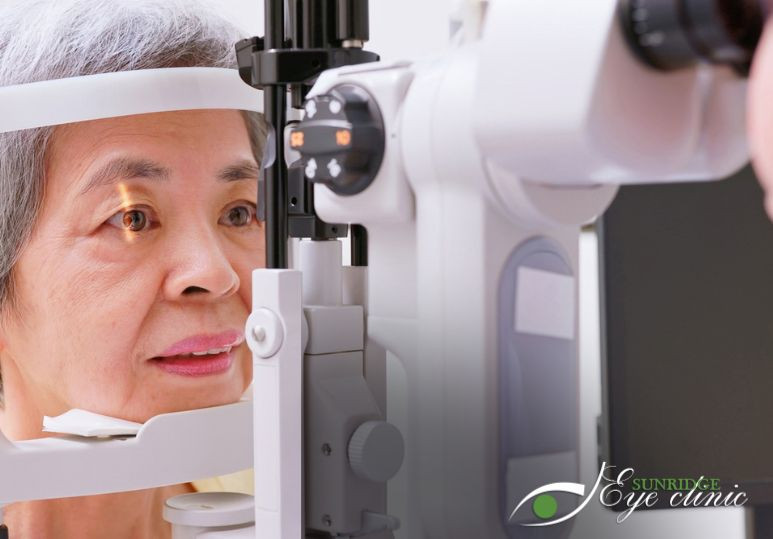
An optometrist can examine the tear film, eyelids, cornea, and oil glands to determine what may be contributing to your symptoms. Testing may include evaluating tear breakup time, tear volume, eyelid closure, inflammation, or the function of the meibomian glands. Understanding the cause is important because not every case of dry eye should be treated in the same way.
Professional assessment can also help rule out allergies, infections, corneal problems, and other conditions that can cause similar symptoms. If symptoms are persistent, worsening, or interfering with your routine, an eye exam can provide a clearer diagnosis and treatment plan.
Keeping track of when symptoms appear can also help your optometrist identify patterns and triggers more accurately.
HOW DRY EYE CAN BE MANAGED AND MONITORED
Treatment for dry eye depends on the underlying cause, severity, and how often symptoms occur. Some people may improve with simple daily changes, while others require a more structured treatment plan. The goal is to improve tear stability, reduce irritation, protect the surface of the eye, and address factors that are contributing to dryness.
Artificial tears are commonly used for mild symptoms. These lubricating drops add moisture to the surface of the eye and may provide temporary relief. Preservative-free options may be recommended for people who need drops frequently because repeated exposure to preservatives can sometimes cause additional irritation.
Warm compresses and eyelid hygiene may help when blocked or poorly functioning meibomian glands are contributing to dryness. These glands produce the oily layer of the tear film, which helps slow evaporation. Gentle heat can soften thickened oils, while proper eyelid cleaning may help keep gland openings clear.
Your optometrist may recommend:
- Lubricating drops
- Warm compresses
- Lid hygiene
- Screen breaks
- Humidification
- Hydration
- Sunglasses
- Follow-up care
Lifestyle adjustments can also make a difference. Positioning computer screens slightly below eye level may reduce how widely the eyes remain open, which can slow tear evaporation. Taking regular breaks and making a conscious effort to blink fully can help refresh the tear film during long periods of screen use.
Indoor environments may need attention as well. A humidifier can increase moisture in dry rooms, while avoiding direct airflow from fans, vents, or car heaters can reduce evaporation. Wraparound sunglasses may provide added protection from wind when outdoors.
Contact lens wearers may need changes to lens material, wearing schedule, cleaning routine, or replacement frequency. In some cases, reducing daily wear time or temporarily switching to glasses may allow irritated eyes to recover. Your optometrist can determine whether your lenses are contributing to symptoms.
More persistent dry eye may require additional treatment. Depending on the cause, options can include prescription eye drops, punctal plugs, in-office gland treatments, or other therapies designed to reduce inflammation and improve tear quality. Follow-up visits may be recommended to evaluate whether treatment is working and adjust the plan when necessary.
Dry eye symptoms should not be ignored simply because they are common. Burning, redness, watering, fluctuating vision, discomfort, and contact lens intolerance can all signal that the eye surface needs attention. Early assessment can help identify the cause, provide appropriate treatment, and reduce the chance that irritation becomes more difficult to manage. Regular eye care also gives your optometrist an opportunity to monitor changes and help keep your eyes comfortable, healthy, and functioning clearly throughout the day.
FAQs
Q: WHAT ARE THE MOST COMMON DRY EYE SYMPTOMS?
A: Common symptoms include burning, stinging, redness, grittiness, watery eyes, blurred vision, sensitivity to light, and eye fatigue.
Q: CAN DRY EYE CAUSE BLURRY VISION?
A: Yes. An unstable tear film can cause vision to fluctuate or temporarily blur, especially during reading, driving, or prolonged screen use.
Q: WHEN SHOULD I SEE AN OPTOMETRIST FOR DRY EYE?
A: Book an eye exam if symptoms are persistent, worsening, painful, affecting your vision, or making contact lenses difficult to wear.