IS LASIK RIGHT FOR YOU?
LASIK can be an appealing option for people who are tired of relying on glasses or contact lenses, but deciding to have the procedure should begin with understanding your eyes. LASIK reshapes the cornea to change how light focuses inside the eye. While the procedure can correct common refractive errors, suitability depends on much more than simply wanting clearer vision without glasses.
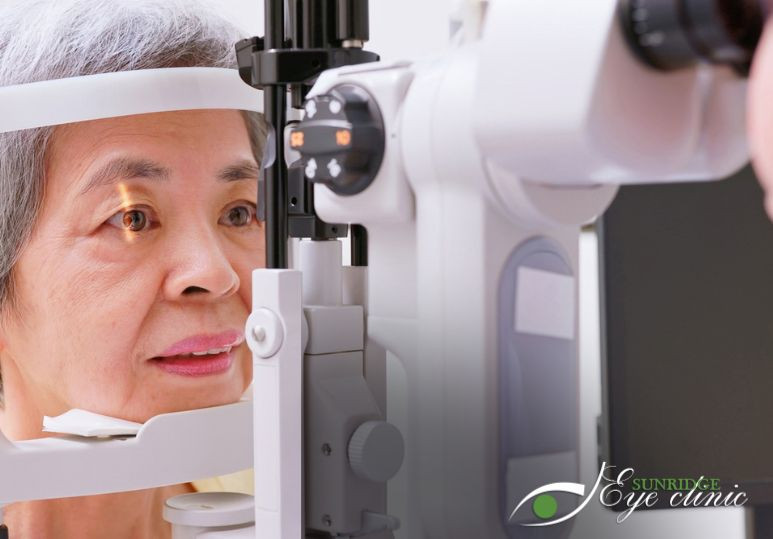
Before considering Laser Eye Surgery, a comprehensive eye examination can help determine whether your eyes are healthy and whether there are factors that could affect treatment. Your optometrist can review your prescription, eye health, medical history, medications, lifestyle, and expectations before discussing whether a surgical consultation may be appropriate.
Prescription stability is one important consideration. If your prescription is still changing, the vision correction achieved through LASIK may not remain as predictable over time. This is one reason younger patients or anyone who has experienced recent prescription changes may be advised to wait before proceeding.
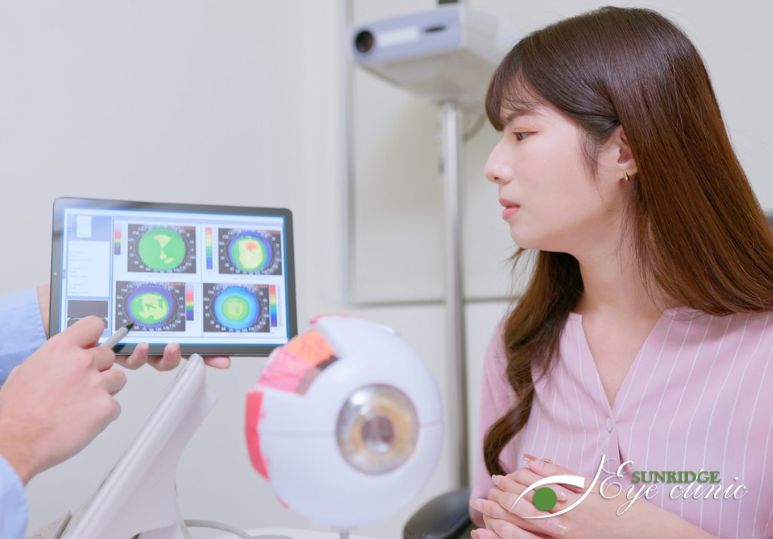
The cornea also needs careful evaluation because LASIK involves reshaping corneal tissue. Measurements of its thickness, curvature, and overall condition can help determine whether the procedure is suitable. Certain corneal conditions or irregularities may affect candidacy or lead an eye care professional to recommend another approach.
Factors considered may include:
- Prescription
- Cornea
- Dryness
- Health
- Medications
- Lifestyle
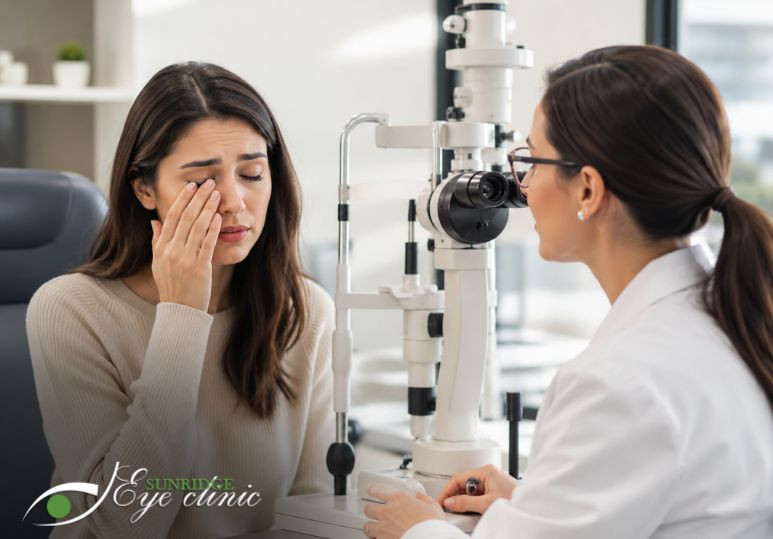
Dry eye deserves particular attention before LASIK. The procedure can temporarily affect the nerves involved in tear production, which may contribute to dryness during recovery. Someone who already experiences burning, grittiness, fluctuating vision, redness, or contact lens discomfort should mention these symptoms during their examination. Treating existing dry eye before surgery may help create a healthier ocular surface.
General health can matter too. Certain medical conditions, medications, pregnancy, or changes in hormones may influence prescription stability, healing, or eye health. Sharing an accurate medical history helps your eye care team understand factors that could affect the procedure.
A pre-LASIK assessment is not about convincing every patient to have surgery. It is about determining whether Laser Eye Surgery fits the individual patient and whether another vision correction option might be more appropriate.
WHAT LASIK CAN ACHIEVE
One of the most important parts of considering LASIK is developing realistic expectations. The goal is generally to reduce dependence on corrective lenses by treating refractive errors such as nearsightedness, farsightedness, or astigmatism when appropriate. Results vary between individuals, and LASIK does not prevent the eyes from changing naturally with age.
Some patients may still need glasses for particular activities after surgery. Others may experience prescription changes later in life. Having LASIK also does not prevent conditions such as cataracts, glaucoma, macular degeneration, or other eye diseases from developing. Routine comprehensive eye examinations remain important even when distance vision is clear without glasses.
Age-related near vision is another consideration. Presbyopia develops as the natural lens inside the eye becomes less flexible, making it harder to focus on close objects. LASIK does not stop this natural aging process. Someone who has excellent distance vision following surgery may eventually need reading glasses as presbyopia progresses.
Your optometrist can explain how your age and current prescription may influence your expectations. For some patients, different correction strategies may be discussed depending on how they use their vision for work, driving, reading, screens, hobbies, and other activities.
Questions worth discussing include:
- Results
- Reading
- Recovery
- Risks
- Alternatives
- Followup
Potential side effects and limitations should also be part of the conversation. Some people experience temporary dryness, glare, halos, light sensitivity, or fluctuations in vision during recovery. Your surgical provider can explain potential complications, expected recovery, and factors that may influence individual outcomes.
It is also useful to understand that there are different types of refractive procedures. LASIK may be widely recognized, but it is not automatically the best option for every person interested in reducing dependence on glasses or contacts. Eye measurements, corneal characteristics, prescription, lifestyle, and other considerations can influence which options are discussed.
Before Laser Eye Surgery, ask what outcome is realistic for your specific eyes rather than comparing your experience with someone else's. A friend or relative may have had an excellent experience, but their prescription, corneal measurements, age, and eye health could be very different from yours.
Taking time to understand both the possibilities and limitations of LASIK can make the decision more informed. Clear expectations are an important part of preparing for any elective vision procedure.
BEFORE AND AFTER LASIK
Your optometrist can play an important role before and after LASIK. Before surgery, comprehensive testing establishes information about your vision and eye health. Depending on your situation, you may be asked to stop wearing contact lenses for a period before certain measurements because lenses can temporarily influence the shape of the cornea.
During your examination, mention any symptoms you experience, even if they seem unrelated to LASIK. Dryness, fluctuating vision, headaches, glare, night vision difficulty, allergies, previous eye injuries, or infections may provide useful information. You should also discuss previous eye surgery and any family history of significant eye conditions.
If you are referred for a surgical consultation, the surgeon or surgical centre will complete the measurements and testing required for the procedure. This is also an opportunity to ask about the technique being recommended, expected results, recovery instructions, possible risks, and what you should do if you experience concerns afterward.
Preparation may involve:
- Testing
- Contacts
- Drops
- Transport
- Rest
- Followup
Following preoperative and postoperative instructions carefully is important. Patients may be prescribed eye drops and advised to avoid rubbing their eyes or participating in certain activities during early healing. Specific instructions vary, so patients should follow the recommendations provided by their surgical team rather than relying on another person's recovery experience.
Follow-up appointments allow eye care professionals to monitor healing, vision, comfort, and the ocular surface. Attend these visits even if your vision feels good. If unexpected symptoms occur between appointments, contact your eye care provider rather than waiting for the next scheduled visit.
After Laser Eye Surgery, comprehensive eye care remains important. Clear vision does not necessarily indicate that every structure inside the eye is healthy. Routine examinations can continue monitoring the retina, optic nerve, eye pressure, ocular surface, and other aspects of eye health as you age.
LASIK is ultimately a personal decision. Learning about your candidacy, understanding realistic outcomes, and asking questions before proceeding can help you approach that decision with better information. An optometrist can assess your current eye health and explain whether there are concerns that should be addressed before seeking surgery.
If you are thinking about LASIK, begin with a comprehensive eye examination. Understanding your prescription, corneal health, eye surface, visual needs, and long-term expectations can provide a stronger foundation for discussing Laser Eye Surgery and deciding what next steps make sense for your eyes. This preparation can help patients feel more confident, informed, and comfortable throughout the entire process.
FAQ's:
Q: HOW DO I KNOW IF I AM A GOOD CANDIDATE FOR LASIK?
A: LASIK candidacy depends on several factors, including prescription stability, corneal measurements, eye health, medical history, medications, and expectations. A comprehensive eye exam can identify potential concerns, while a refractive surgeon can determine whether LASIK or another procedure is appropriate for your individual eyes.
Q: WILL I STILL NEED GLASSES AFTER LASIK?
A: Possibly. LASIK can reduce dependence on glasses or contact lenses, but it cannot guarantee that you will never need corrective lenses again. Some patients may still use glasses for certain activities, and age-related changes such as presbyopia can create a need for reading glasses later in life.
Q: DO I STILL NEED EYE EXAMS AFTER LASIK?
A: Yes. LASIK changes the cornea to correct a refractive error, but it does not prevent eye diseases or natural age-related changes. Regular comprehensive eye exams remain important for monitoring your retina, optic nerve, eye pressure, ocular surface, prescription changes, and overall eye health.