WHEN CHILDREN SHOULD HAVE THEIR EYES CHECKED
Children depend on their vision for recognizing faces, exploring their surroundings, reading, writing, playing sports, and using digital devices. Because vision develops gradually, eye care should begin before a child is old enough to describe blurry vision or other concerns. Many children assume the way they see is normal, so a problem can sometimes easily go unnoticed until it begins affecting school, behaviour, or everyday activities.
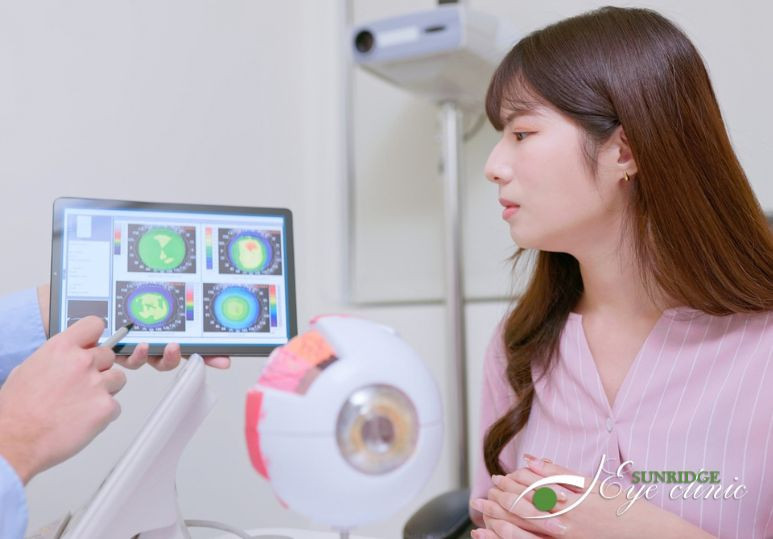
A comprehensive eye exam allows an optometrist to assess much more than whether a child can read letters on an eye chart. Depending on age, the examination may evaluate visual clarity, eye alignment, focusing, tracking, depth perception, eye coordination, prescription needs, and overall eye health. Younger children can still be examined using age-appropriate techniques involving lights, pictures, movement, and other visual targets.
Parents do not need to wait for symptoms before booking an appointment. Routine examinations can establish a baseline and help an optometrist monitor how a child's vision changes over time. This is useful during growth, when prescription changes may develop.
Early childhood is an important stage because the eyes and brain are still learning to work together. If one eye sees much more clearly than the other, or if the eyes are not aligned properly, visual development may be affected. These concerns are not always easy to notice at home, especially when a child has learned to compensate.
Before starting school is another useful time to schedule an examination. Classroom activities place greater demands on a child's visual system. Students must switch focus between books, worksheets, screens, and distant classroom boards while maintaining concentration for longer periods. Clear eyesight is important, but comfortable focusing and coordinated eye movements also support many school activities.
During the school years, children may need ongoing eye care as their eyes continue to grow. Nearsightedness, also called myopia, often develops or progresses during childhood and adolescence. A child who previously saw clearly at a distance may gradually begin struggling to see the board, television, signs, or other faraway objects.
The appropriate examination schedule can vary depending on age, previous findings, prescription, family history, and eye health. An optometrist can recommend how often appointments should be booked based on individual needs.
Before an appointment, parents may want to consider changes in:
- Reading
- Focus
- Distance
- Comfort
- School
- Screens
Sharing these observations can give the optometrist useful context about how the child's vision is functioning in everyday life.
SIGNS THAT MAY MEAN AN EXAM IS NEEDED
Children do not always recognize or explain vision problems clearly. Instead, parents and teachers may notice changes in behaviour or habits that suggest a child is having difficulty seeing comfortably. These signs do not automatically confirm a vision problem, but they can be good reasons to schedule a comprehensive examination.
Squinting is one of the more familiar signs. A child may squint while watching television, looking at classroom displays, recognizing people from a distance, or reading signs. Squinting can temporarily make an unclear image appear sharper, which is why children with an uncorrected prescription may do it without realizing it.
Sitting unusually close to screens or holding books very near the face can also be worth monitoring. Some children move closer because objects appear blurry, while others simply prefer a closer viewing position. If the behaviour is frequent or has changed noticeably, an eye exam can help determine whether vision is contributing.
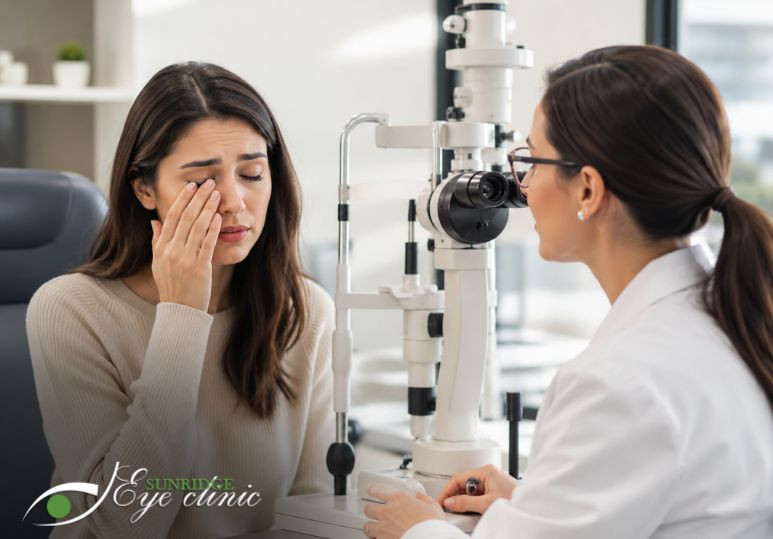
Headaches and eye fatigue may appear after reading, homework, or extended screen use. A child might complain that their eyes feel tired, sore, or uncomfortable after focusing for a long time. Others may not mention discomfort but may begin avoiding reading, taking frequent breaks, or losing concentration during visually demanding tasks.
Eye rubbing, frequent blinking, or closing one eye can also indicate discomfort. Closing or covering one eye may occur when using both eyes together feels difficult. Tilting or turning the head while looking at something can be another behaviour parents notice when a child is attempting to compensate for a visual concern.
Parents may notice:
- Squinting
- Rubbing
- Blinking
- Tilting
- Closing
- Headaches
School performance can provide additional clues. Vision is only one part of learning, and academic challenges can have many causes. However, a child who struggles to copy from the board, repeatedly loses their place while reading, skips lines, avoids close work, or takes unusually long to complete visual tasks may benefit from having their vision assessed.
Sudden changes should be treated differently from gradual concerns. If a child experiences sudden vision loss, significant eye pain, double vision, an eye injury, unusual light sensitivity, flashes, or other unexpected visual symptoms, parents should contact an eye care professional promptly rather than waiting for a routine appointment.
Repeated complaints also deserve attention. A child who regularly reports blur, headaches, or tired eyes should not simply be expected to work through the discomfort. An examination can help determine whether a prescription, focusing issue, eye coordination concern, or another factor may be involved.
WHY REGULAR CHILDREN'S EYE EXAMS MATTER
Routine children's eye exams help show how a child's vision is developing. One normal examination does not guarantee that vision will remain unchanged throughout childhood. Prescription needs, focusing ability, eye coordination, and visual comfort can change as the eyes grow and daily demands increase.
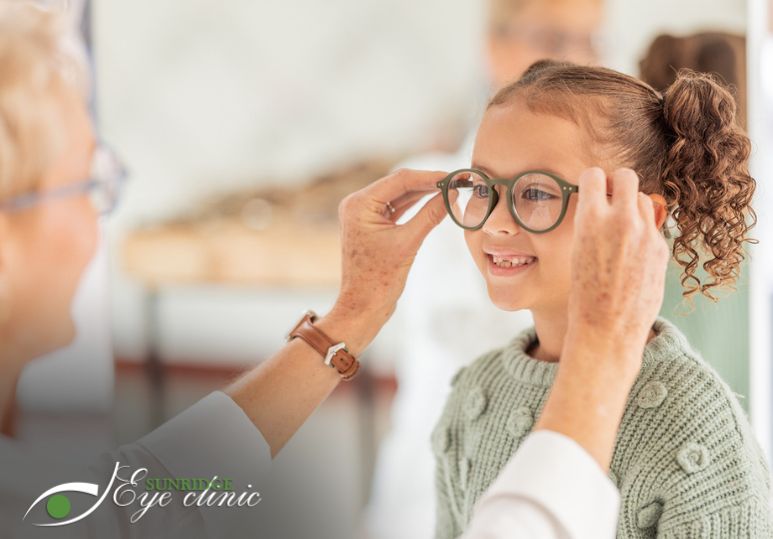
Regular appointments are especially helpful for children who already wear glasses. A prescription that worked well previously may become less effective as the eyes change. Without updated correction, a child may gradually adapt to blur and not realize that vision has become less clear.
Family history can also influence how closely a child's eyes should be monitored. If parents or close relatives have significant refractive errors, strabismus, amblyopia, or certain eye conditions, an optometrist may recommend additional monitoring based on the child's individual risk factors.
A comprehensive examination may assess:
- Clarity
- Alignment
- Tracking
- Focusing
- Depth
- Health
These assessments can be adapted to the child's age and ability. A preschool child will not be examined in exactly the same way as a teenager, but both can receive meaningful evaluations suited to their stage of development.
As children become teenagers, visual demands often increase again. Homework becomes more intensive, screen use may rise, and students may spend long periods switching between phones, computers, books, and classroom presentations. Teenagers may also begin driving, making clear distance vision increasingly important.
Teenagers can overlook gradual vision changes just as younger children can. They may move closer to screens, choose seats near the front of the classroom, or assume slight blur is normal. Regular eye exams create opportunities to identify these changes before they become more disruptive.
Parents can help by paying attention to patterns rather than isolated behaviours. One headache or one evening of tired eyes does not necessarily indicate a vision problem. Repeated symptoms, noticeable changes, or difficulties that interfere with reading, school, sports, or daily activities are stronger reasons to schedule an examination.
Regular children's eye exams support ongoing monitoring during years when vision can change significantly. Booking appointments as children grow or when new symptoms appear can help parents stay informed about their visual needs. If your child is due for an examination or showing vision changes, contact Sunridge Eye Clinic to schedule a comprehensive eye exam.
FAQ's:
Q: HOW OFTEN SHOULD CHILDREN HAVE AN EYE EXAM?
A: The recommended schedule depends on your child's age, prescription, eye health, family history, and previous exam findings. An optometrist can recommend the appropriate timing for future appointments.
Q: WHAT ARE COMMON SIGNS OF VISION PROBLEMS IN CHILDREN?
A: Squinting, headaches, eye rubbing, sitting close to screens, closing one eye, and difficulty seeing the classroom board can all be reasons to schedule an eye exam.
Q: DO CHILDREN NEED AN EYE EXAM IF THEY HAVE NO SYMPTOMS?
A: Yes. Some children may have vision concerns without realizing anything is wrong, which is why routine **children's eye exams** can be an important part of monitoring visual development.